Guide
Summer flowers in Australia: what's in season December to February
Updated 1 October 2026
Summer in Australia runs from December to February, and it changes what fills the florist’s buckets. The cool-weather flowers of spring, such as tulips, ranunculus and peonies, are finished or nearly so. In their place come the flowers that like heat: sunflowers, lisianthus, hydrangeas and, later in the season, dahlias and tuberose. Here is what is at market each month, which natives are still flowering, how to keep cut flowers alive in the heat, and where to see flowers growing over the holidays.
What summer means for cut flowers
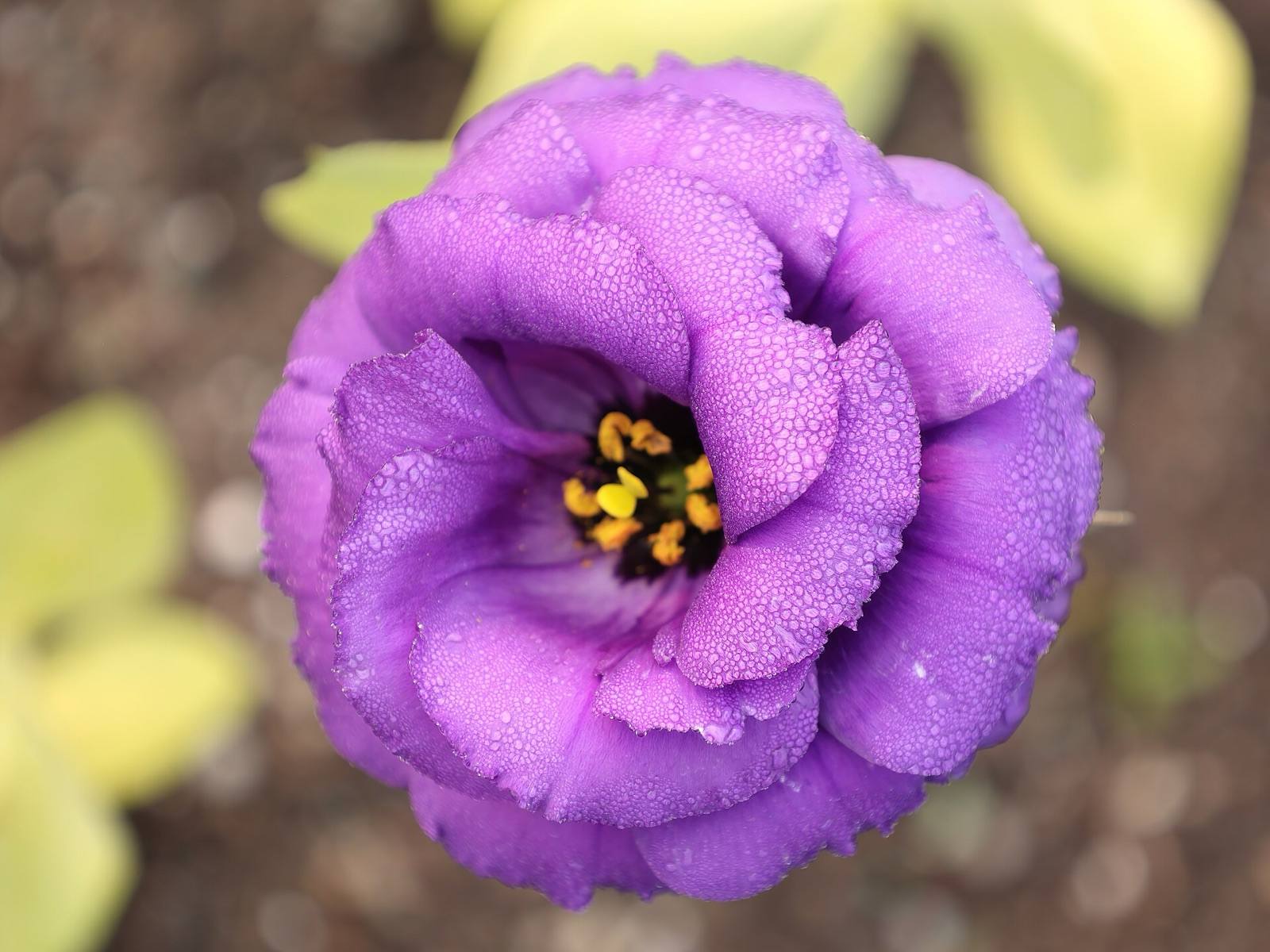
Heat shapes the whole season. Some flowers are grown for it. Much of the country’s lisianthus comes from hothouses in Sunraysia, in north-west Victoria, one of the hottest growing districts in the country. Growers there run shade cloth because harsh sun can fade the colour, but the plants themselves cope. Sunflowers, dahlias and tuberose all need a long run of warm weather to flower well.
Heat cuts both ways, though. A heatwave or summer storm can knock field crops about, and once flowers are cut, warm water and hot rooms are the main reason they die early.
What’s at market, month by month
These lists come from our season data, which gives the months each flower is at market nationally. Supply shifts with the state and the weather, so treat it as a best estimate.
December
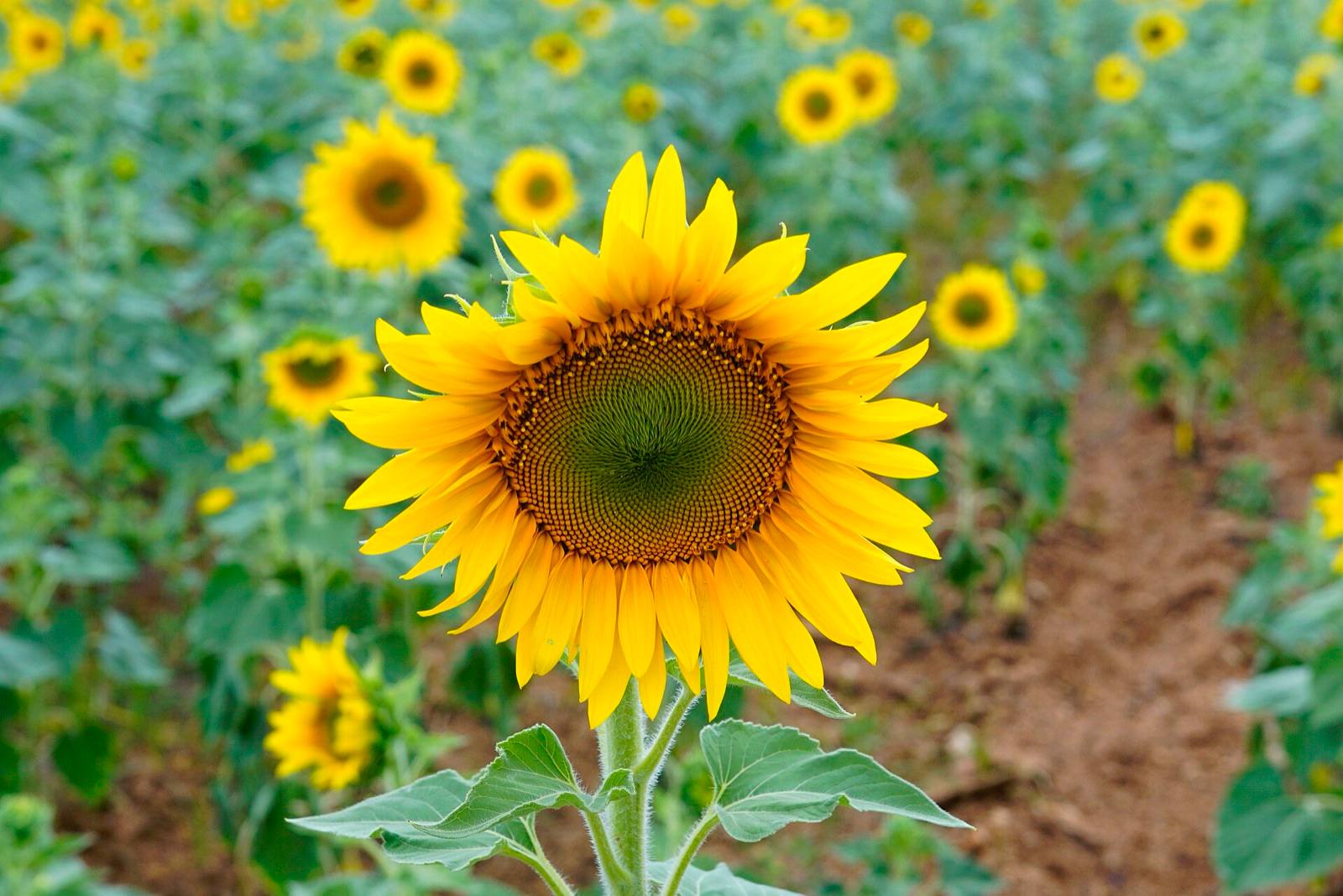
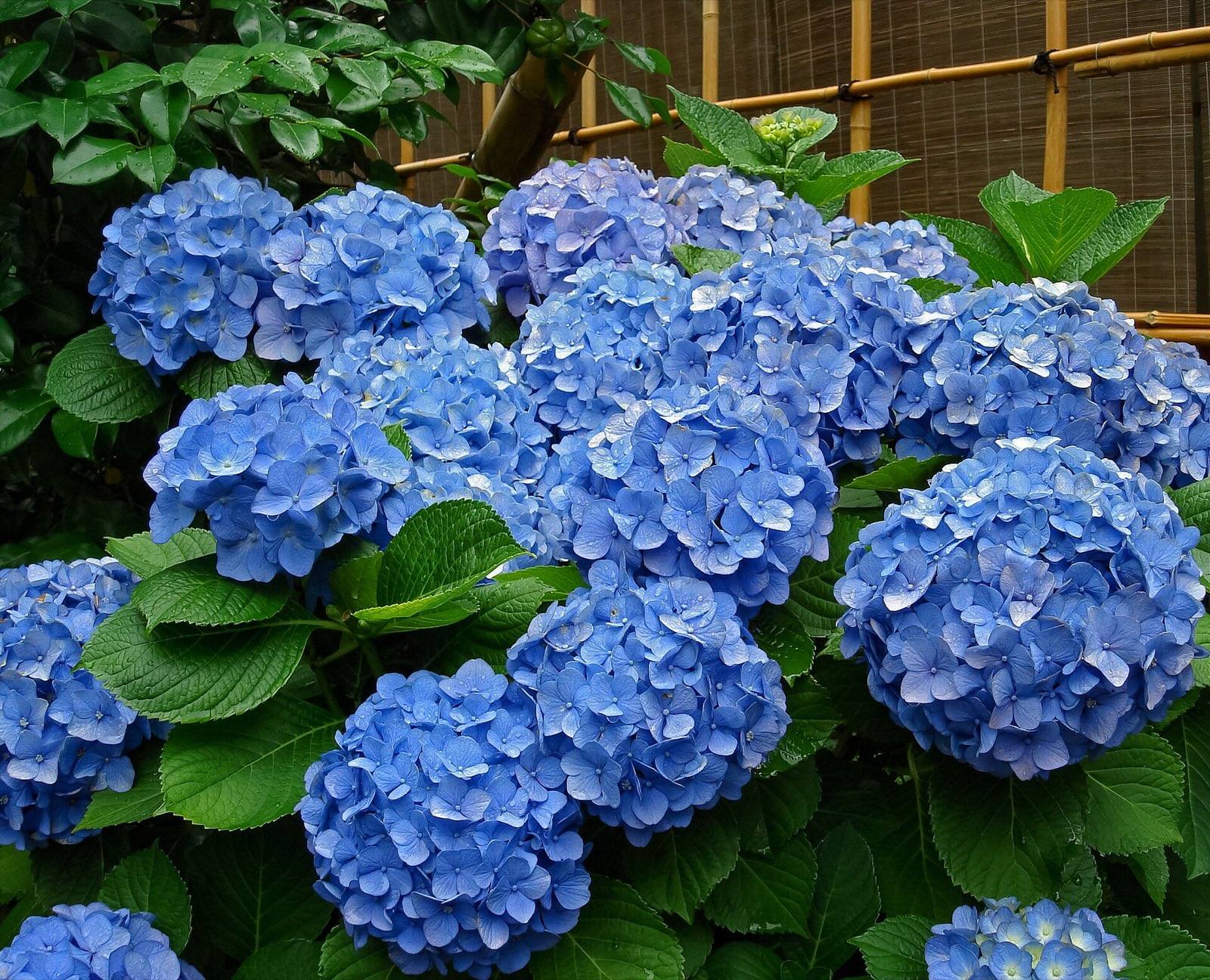
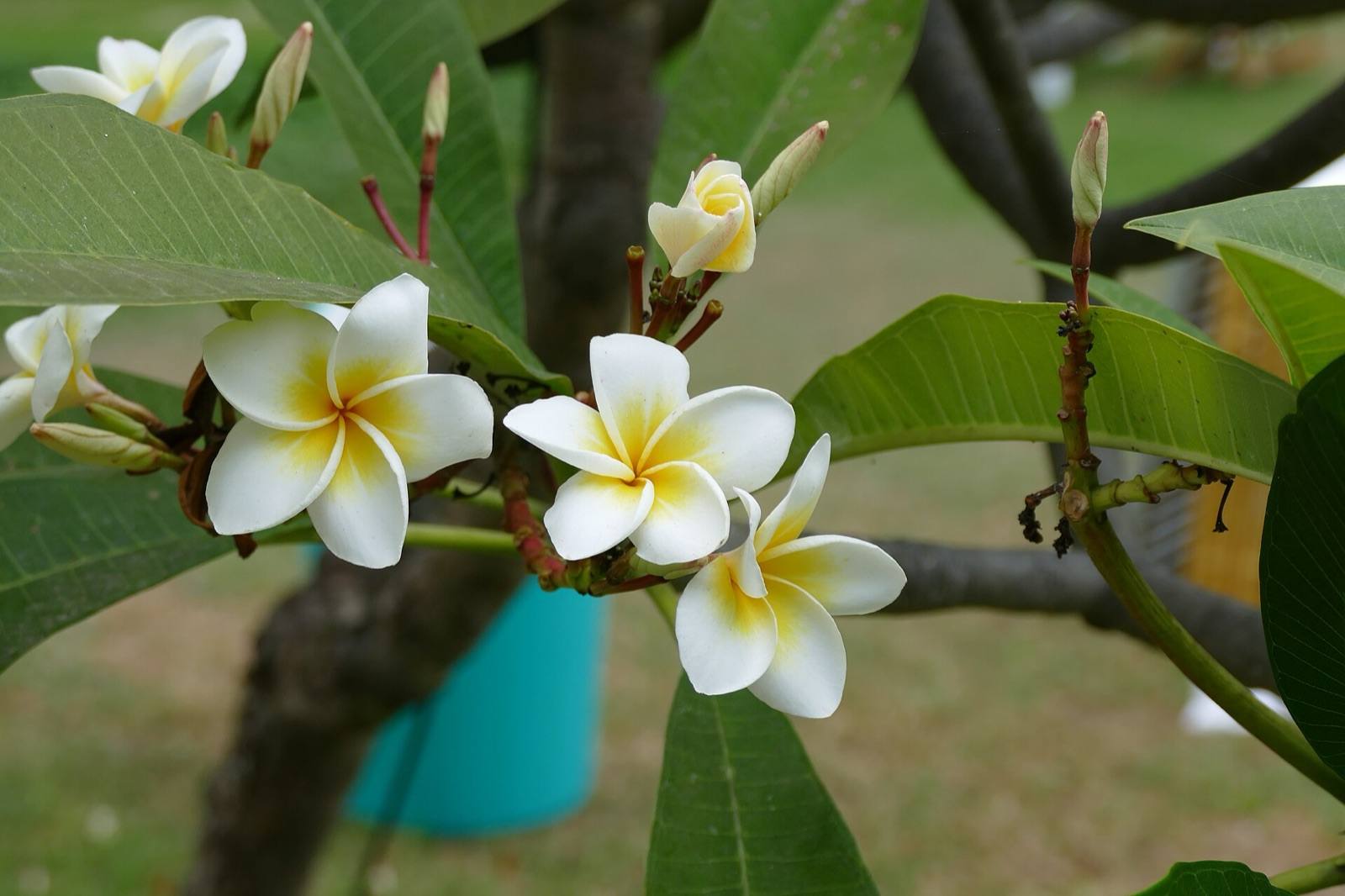
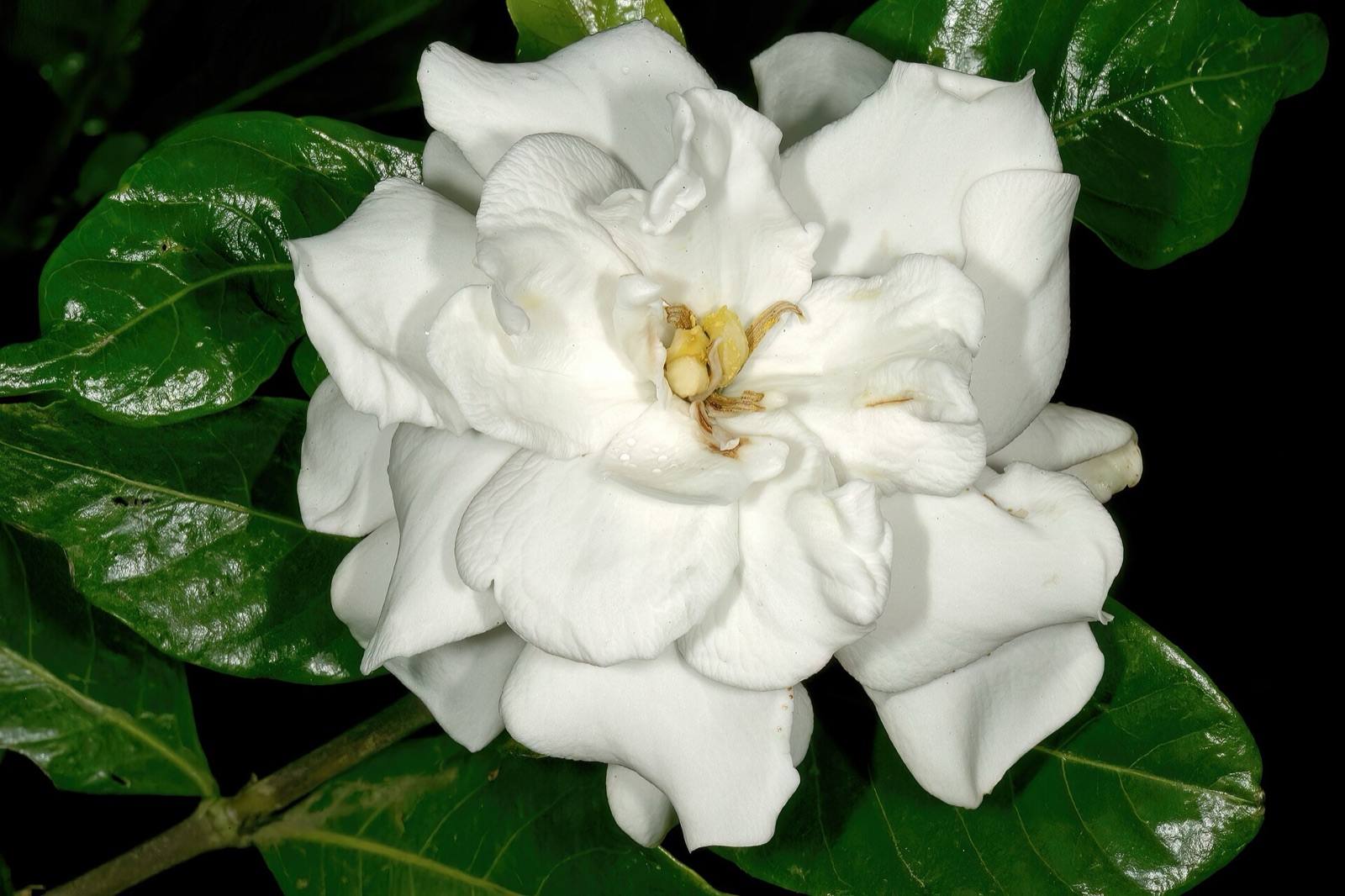
December is the changeover month. Hydrangea is at its high point, with big, fresh mophead heads. Lisianthus and sunflowers start their main runs, and lavender comes into flower. Gardenia and frangipani scent the gardens.
It is also the last month for several spring flowers. The final peonies come mostly from Tasmania, and NSW Christmas bush, kangaroo paw and flannel flower finish up. Delphinium carries on into January. The full December list is on the December calendar.
January
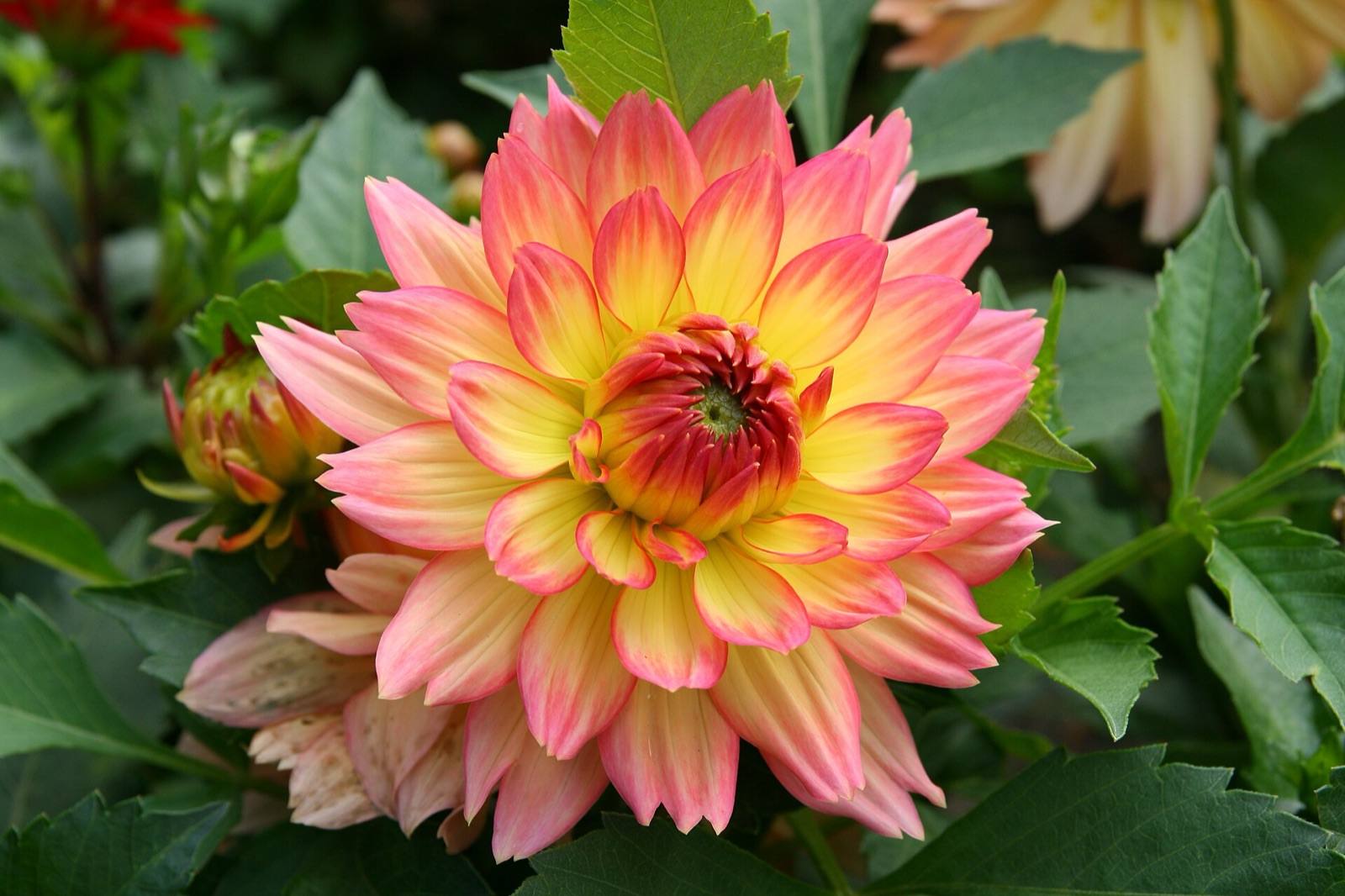
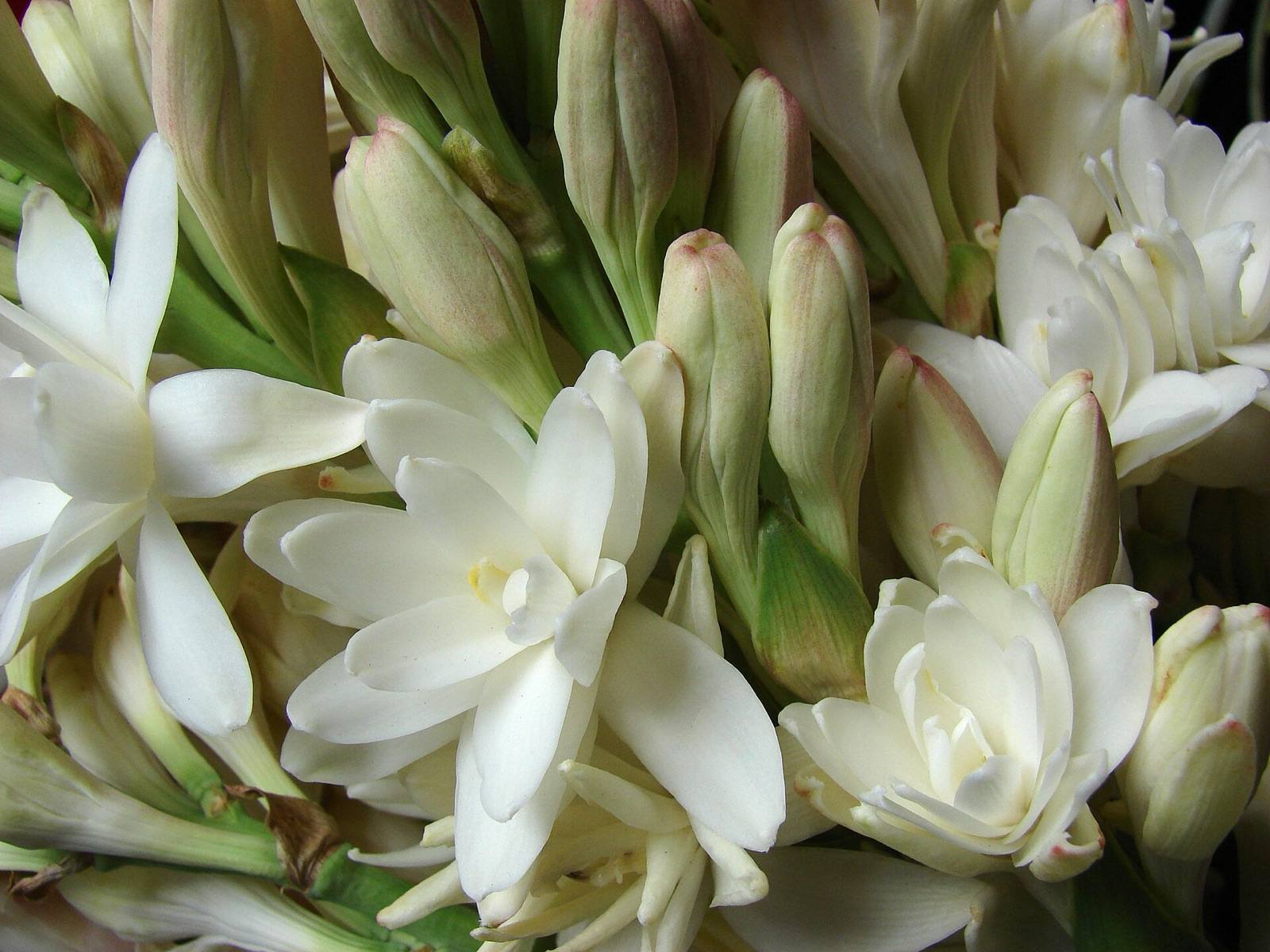
January is peak summer and peak sunflower. Lisianthus and hydrangeas are plentiful, and two new flowers arrive: the first dahlias, and tuberose with its heavy evening scent. Lavender and delphinium have their last month. Gardenia and frangipani are still flowering in gardens along the east coast. See the January calendar for the full list.
February
February has the widest summer choice. Dahlias move towards their fullest supply, tuberose and lisianthus are in full swing, and sunflowers and hydrangeas are still going. It is the last month of gardenia’s main season. Valentine’s Day falls on the 14th, which pushes up the price of roses that week, so February is a good month to look at what else is in season. The February calendar has the rest.
Grown all year
Some flowers are at market every month because they are grown in glasshouses or have a long field season. Roses, lilies, gerberas, carnations and chrysanthemums are all available through summer.
Summer tails off in March. Sunflowers and hydrangeas have their last month, while protea begins its long run into spring.
Natives in summer
Spring is the big season for Australian natives, and by summer most of the wildflowers have finished. A few are still worth looking for.
- Sturt’s desert pea flowers after rain across the arid inland, anywhere from July to March. It is rarely sold as a cut flower, so this is one to see growing, and never pick it in the wild.
- Grevillea and eucalyptus foliage are around all year. Gum leaves bulk out a summer bunch and hold up in heat better than most soft foliage.
- In Western Australia, banksia carries on through December, later than in the rest of the country.
Keeping flowers alive in the heat
Warm vase water is the main reason summer flowers die early. Bacteria multiply faster as the water warms, blocking the stems so they can’t drink. A few habits make a real difference.
Vase water
Start with a scrubbed vase, cool water and flower food. In hot weather, change the water every day rather than topping it up, and recut the stems every couple of days. Strip every leaf below the waterline, because leaves rot fastest in warm water.
Sun and air-con
Keep arrangements out of direct sun, including morning sun through a window. Air-conditioning helps keep a room cool, but a vase sitting in the path of a vent dries petals out. Put it somewhere cool but out of the draught, and move it to the coolest room overnight.
The car
A parked car in summer can cook a bunch of flowers in the time it takes to do the shopping. Buy flowers last and take them straight home. If someone is sending you flowers, ask for a morning delivery and make sure someone is home, or have them sent to work.
Flowers that need extra help
- Hydrangeas take up water through their heads as well as their stems. Mist them late in the afternoon, and if a head wilts, submerge it in cool water for about half an hour.
- Sunflowers are thirsty and top-heavy. Use a heavy vase filled high, and top it up every day.
- Dahlias cloud their water quickly, so change it daily.
- Frangipani and gardenia are best floated in a shallow bowl. Handle them by the base and keep them cool and lightly misted.
The full routine, including care for woody stems and natives, is in how to keep flowers fresh.
Where to see flowers growing in summer
Sunflower fields
Sunflower fields are one of the great summer day trips, usually from about January to March. On Queensland’s Southern Downs, fields along the roads between Allora and Warwick often colour up from late December, and January is usually the brightest. Each field holds its bloom for about three or four weeks, and the timing moves with the weather. Most are working farms, so view them from the road unless the farm invites visitors.
Pick-your-own sunflower farms tend to open later. Greendale Sunflowers, north-west of Melbourne, opens for a few weeks in late summer or early autumn, and Ryefield Hops in the Bega Valley sows its field in January for flowering in April. The sunflower farms page lists more. Go early in the morning, before the heat.
Lavender farms
Lavender flowers in summer, and most farms are at their purple best in December and January. The Tasmanian farms, such as Bridestowe Lavender Estate near Launceston, are the best known, and some farms run into February. Several open their fields only for the weeks the lavender is in flower, so check each farm’s bloom updates before you drive. The lavender farms page has farms in every state.
Gardens and streets
Some of the best summer flowers are in suburban streets. Frangipani trees flower through backyards and footpaths in Sydney, Brisbane and along the east coast, and gardenia hedges scent whole blocks on a warm evening. The botanic gardens in each capital are free, open all year and at their most pleasant early in the morning in summer.
Summer weddings and events
Heat changes what works for summer weddings and parties. Lisianthus is the safest choice for bouquets and table flowers, because it copes with warm rooms and lasts well. Hydrangeas give a lot of flower for the money, but they need a constant supply of water, so they suit table arrangements more than a bouquet carried through a long outdoor ceremony.
Gardenia and frangipani are lovely for buttonholes, hair and cakes, but they bruise and brown quickly. Ask your florist to add them as late as possible. For any outdoor event, keep flowers in a cool room until the last moment and set arrangements up in the shade. Florists and the wholesale markets also slow down between Christmas and New Year, so book early if your event falls in the holidays.
Flowers in this guide