
Founding florist
Tulipanna
Bondi NSW · est. 1992
A Bondi Road florist since 1992, with seasonal bouquets, arrangements, roses and potted orchids, and a weekly note on what's at market.
Seasonal cut flowerPolianthes tuberosa
In season now (November 2026): No
Tuberose is outside the listed Australian season in November. The national season is January to April. Local growing conditions and supply can change the timing. Check the state guide below and ask your florist about locally grown stems before ordering, especially near the beginning or end of the season.
Add to a florist brief Find seasonal alternatives
Written by Dan d'Auvergne
Flowers and pets: check before bringing a bunch home
Season months drafted from koch.com.au, gardenexpress.com.au. Availability varies by grower and region. See sources
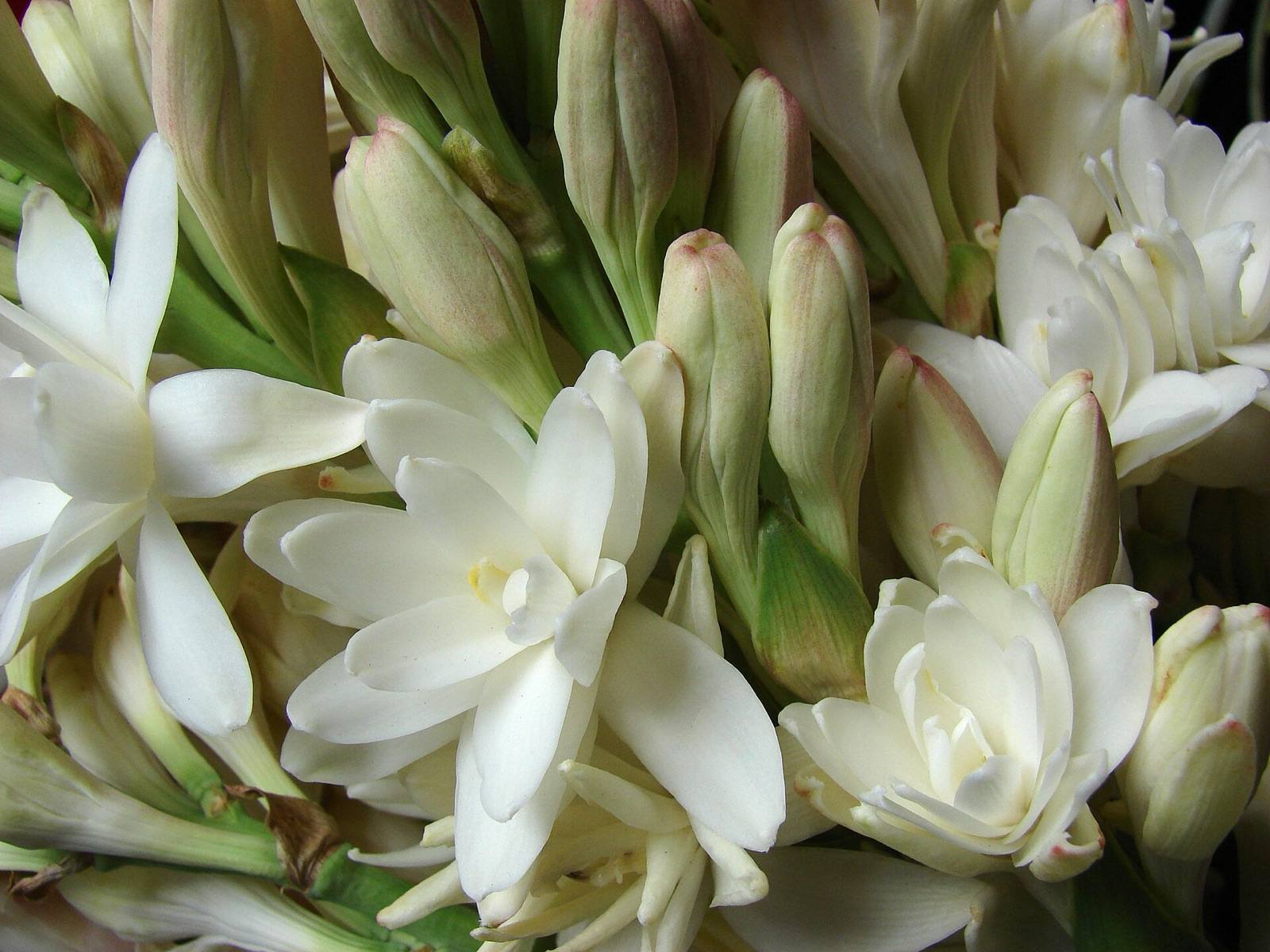
Tuberose is a late summer and autumn flower in Australia, at market from about January to April. It needs about four months of warmth to flower, so it suits the warmer states and does poorly where winters bring frost. Tall spikes of waxy, creamy white flowers carry a heavy, sweet scent that fills a room, and the same flower is prized in perfume. Buds open from the bottom of the spike up, giving a long vase life.
Sold by the stem or small bunch. Priced as a speciality scented flower.
Count the open florets. Two or three open at the base, with plump, creamy buds above, is ideal. If half the spike is already open, there is less vase life left. Look at the top of the spike too: the buds should be firm and pale, not green and shrivelled or brown at the tips. The stem should be straight and firm with no slimy base. Three to five stems will scent a whole room, so you don't need many, and a single stem in a bud vase works well on a bedside table. February and March, the middle of the season, is when supply is steadiest.
Bondi NSW · est. 1992
A Bondi Road florist since 1992, with seasonal bouquets, arrangements, roses and potted orchids, and a weekly note on what's at market.
Tuberose is not native to Australia, but it's grown here commercially.
Tuberose grows from a tuber and needs a long, warm, frost-free season to flower, so Australian cut stems come mainly from warmer districts such as south-east Queensland and northern NSW. It is a specialist line, grown in small plots by market gardeners and flower farms rather than as a big glasshouse crop. Tubers go in once the soil warms in spring, and the spikes arrive from late summer. Each tuber flowers once and then makes offsets, which growers lift and replant to build up stock. Home gardeners in Brisbane, Perth and Sydney can grow it well in a sunny spot, and in cooler cities it does best in a pot.
Out of season, florists bring in imported stems. Ask your florist which you're buying: local stems are usually fresher and have travelled less.
Colours
Varieties to ask for
Vase life
10 to 14 days
Making it last
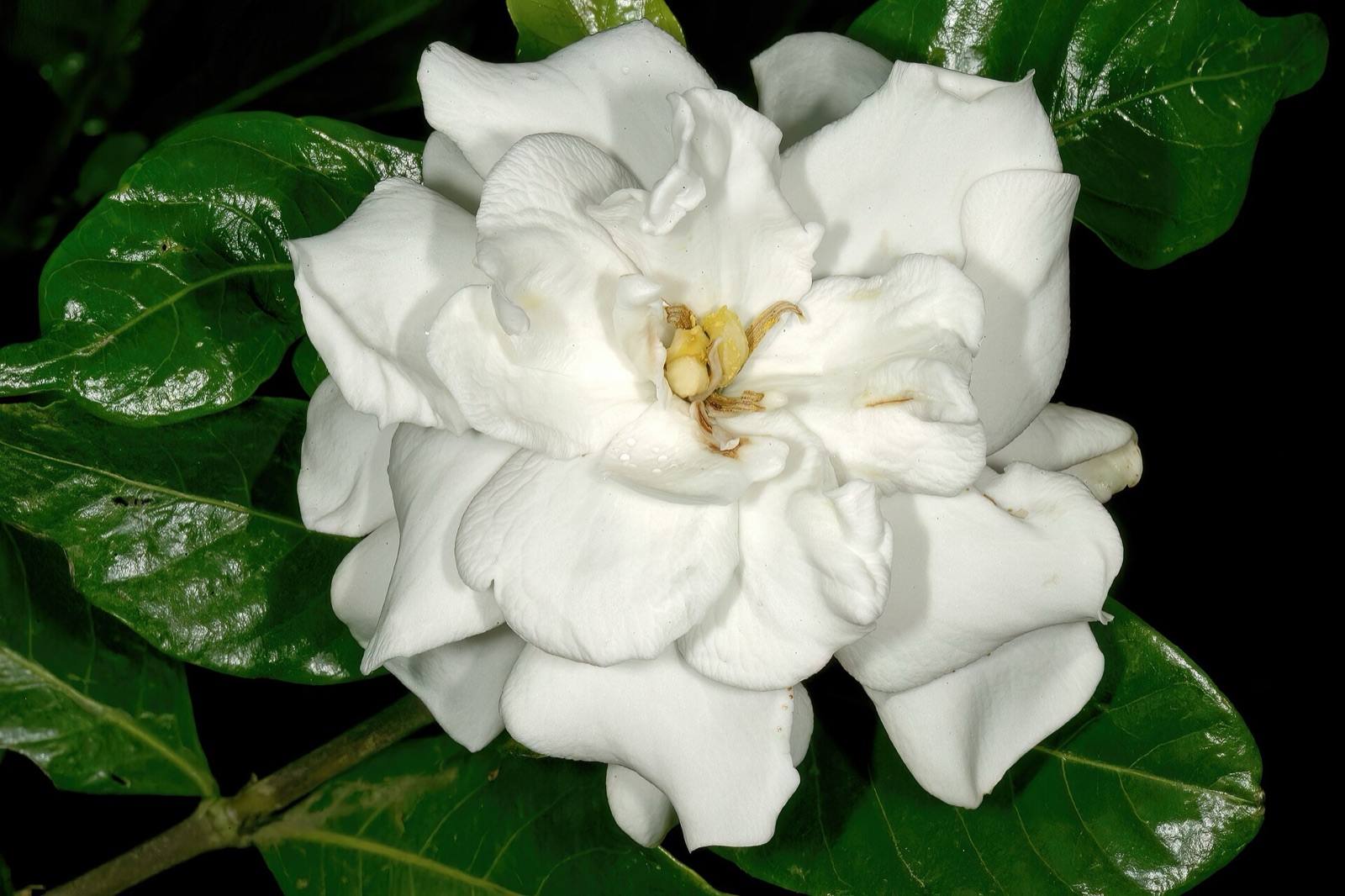
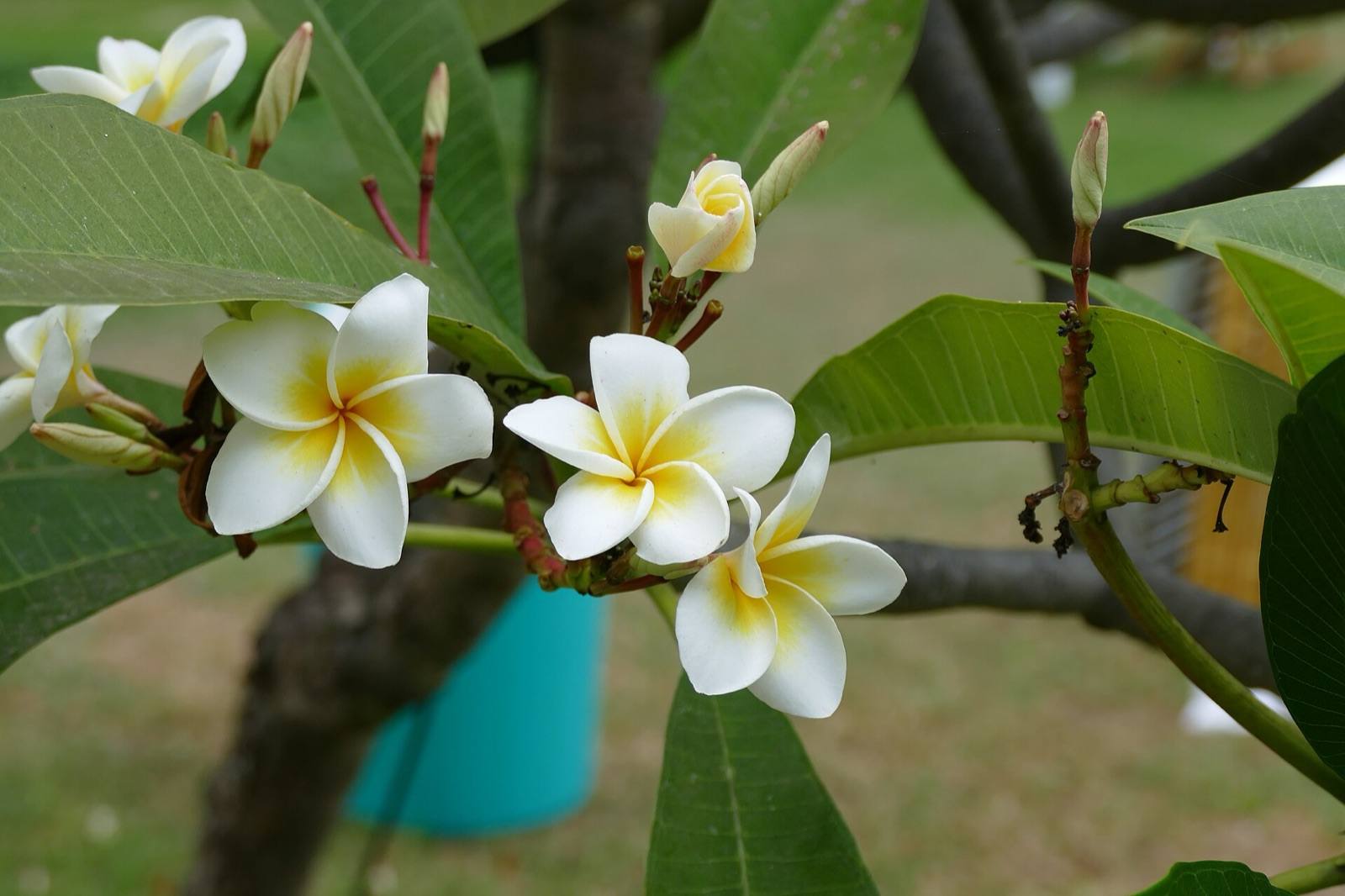
Tuberose shares its months with dahlias, lisianthus, late hydrangeas, gardenias and frangipani, so a summer white arrangement is easy, though that much scent in one small room can be heavy. A few stems with eucalyptus or plain green foliage is often better. Use a tall, narrow vase that supports the spikes. The florets open from the bottom up over a week or two, and the scent is strongest in the evening. As the top buds open and the spike gets shorter, move the stems into a smaller vase to keep the look neat.
In the Victorian language of flowers, "dangerous pleasures".
Flemington
Best months: all year
Epping
Best months: all year
Tuberose is at Australian markets from about January to April, flowering in late summer and autumn. It needs a long, warm growing season, so supply comes from warmer growing areas.
Yes, if the person loves scent. Tuberose is in season in February, lasts well because the buds open from the bottom up, and a few stems perfume a whole room. It is white only, so pair it with pink or red flowers if you want Valentine's colour. Keep it out of small, hot rooms, where the scent can get heavy.
In Kate Greenaway's Language of Flowers, published in 1884, tuberose means dangerous pleasures, which fits its heavy, heady scent. It has long been prized in perfume, and in parts of Asia and the Pacific it is used in wedding garlands. Today most people simply give it for its fragrance.
Around ten to fourteen days with care. Flowers open from the bottom of the spike upwards, so pinch off the spent lower flowers and use a flower food with sugar to help the top buds open.
Tuberose is one of the most fragrant cut flowers and is grown commercially for perfume. A few stems will scent a whole room, so place them where the smell is welcome.