Guide
Mother's Day flowers in Australia: what's in season in May
Updated 1 October 2026
Mother’s Day in Australia is the second Sunday in May. In 2027 that is 9 May. It falls in autumn, which shapes what’s worth buying, and it is the busiest week of the year for most florists. This guide covers why chrysanthemums are the traditional flower, what is actually in season in May, which popular flowers are imported at that time of year, how to order in a week when every florist is flat out, buying at the market yourself, and keeping the flowers going once they arrive.
Why chrysanthemums
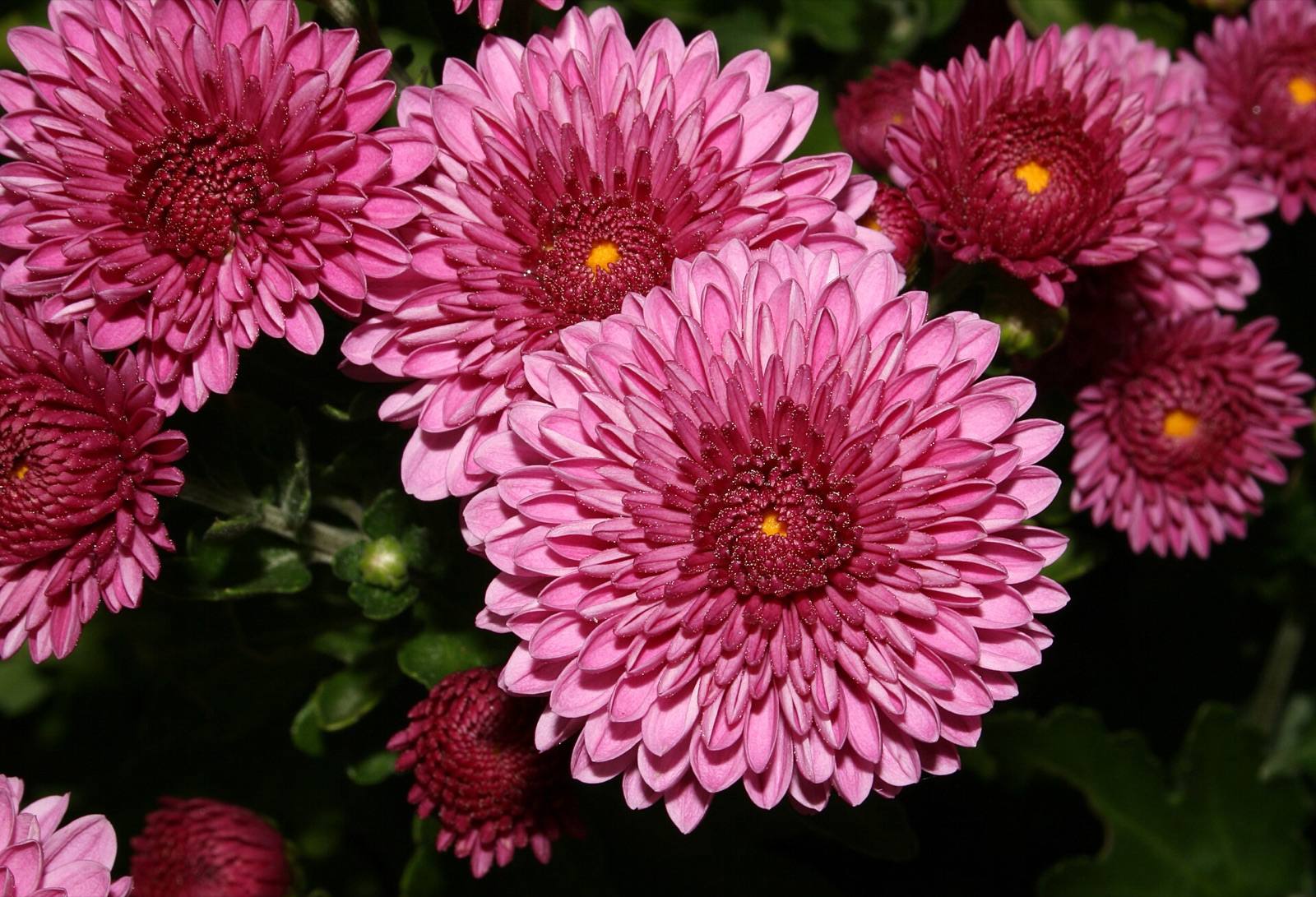
Chrysanthemums have been the Australian Mother’s Day flower for generations, and the reasons are simple. They flower naturally in autumn, so they are at their best in May, and the name shortens to “mum”.
The day itself has a Sydney story. Janet Heyden, a Leichhardt woman, is credited with starting the Australian tradition in 1924, when she collected gifts from local schools and businesses for elderly women at the Newington State Home. It was held on the second Sunday in May, as it still is.
Growers now plan the whole year around that one weekend. A grower at Paper Beach in northern Tasmania told the ABC he starts planting in December and cuts about 20,000 bunches for Mother’s Day alone. That scale is why chrysanthemums are usually the easiest flower to get that week. Spray types carry several small flowers per stem, and disbuds carry one big bloom. Both last well over a week in the vase.
What’s in season in May
May is mid-autumn. The summer flowers are finishing and the cool-season ones are only starting, so the Mother’s Day bunch leans on a mix of autumn crops and steady glasshouse flowers. These are all in season nationally in May:
- Chrysanthemums, at their natural peak.
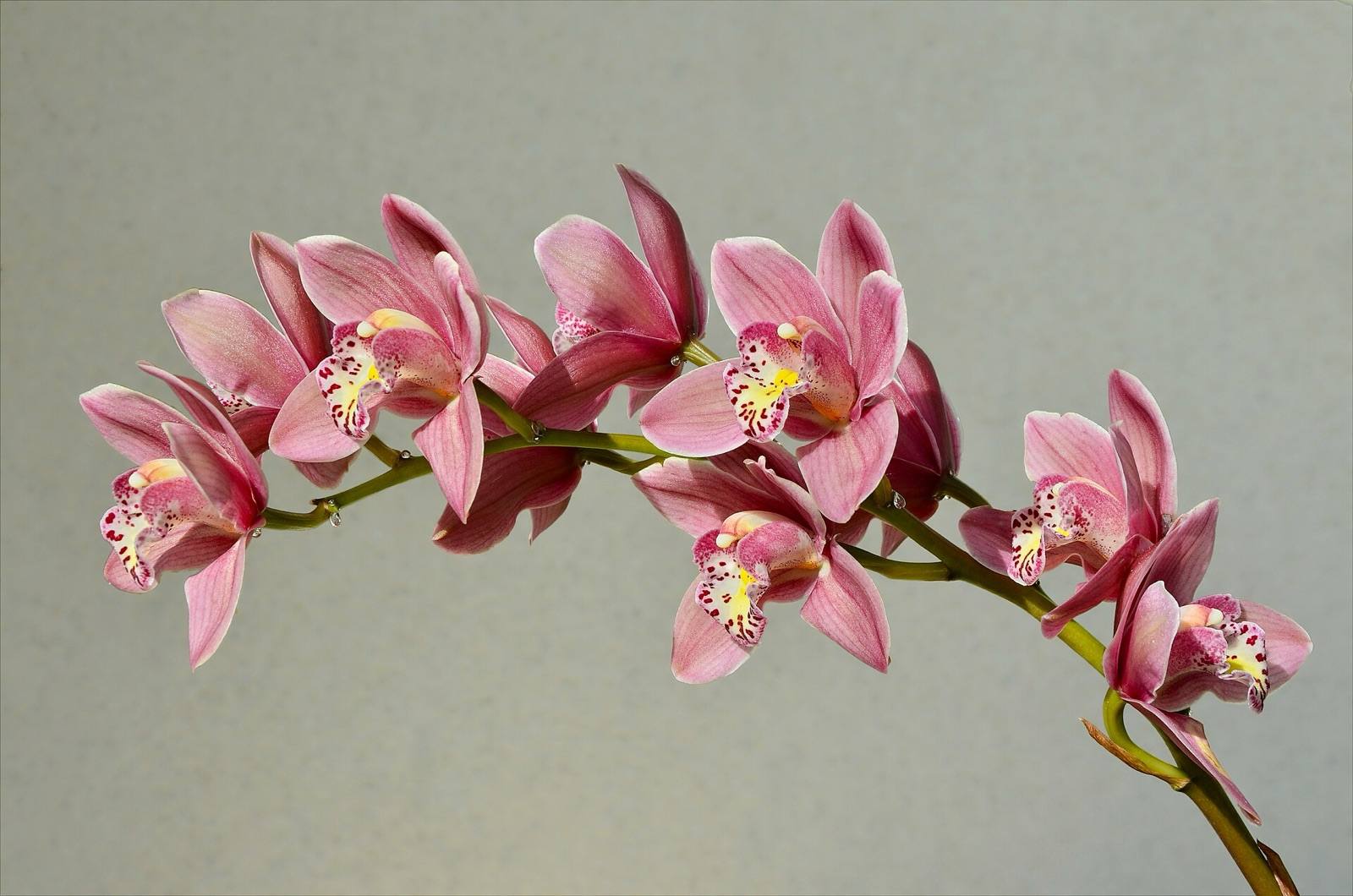
- Orchids. The local cymbidium season runs from about May to September, so Mother’s Day catches the first spikes. Cut spikes last two weeks or more, and a flowering potted cymbidium is a gift that can flower again next year.
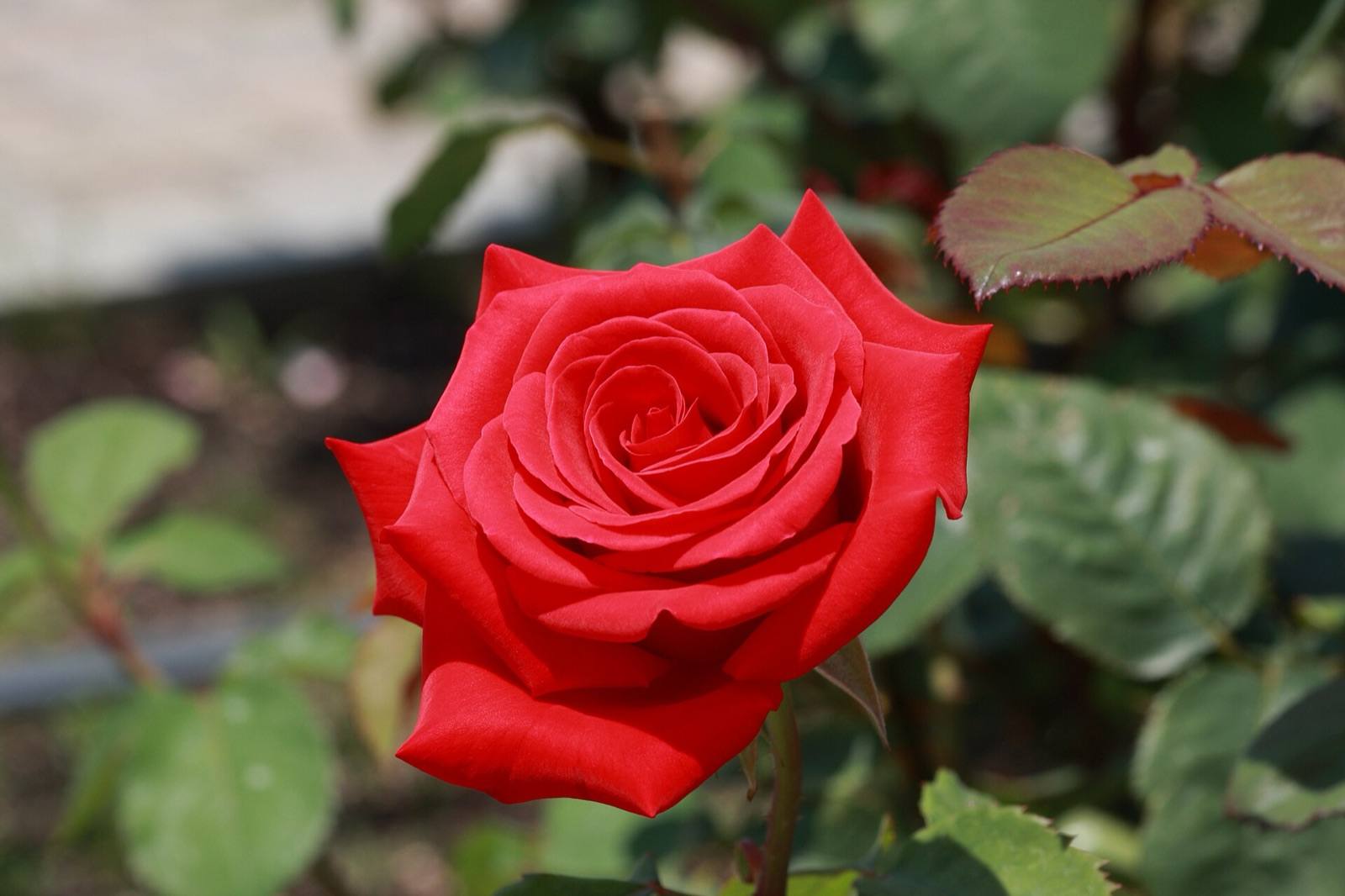
- Roses, sold every month. May is also the tail of the field-grown garden rose season, so you may still find softer, scented garden roses alongside the long glasshouse stems.
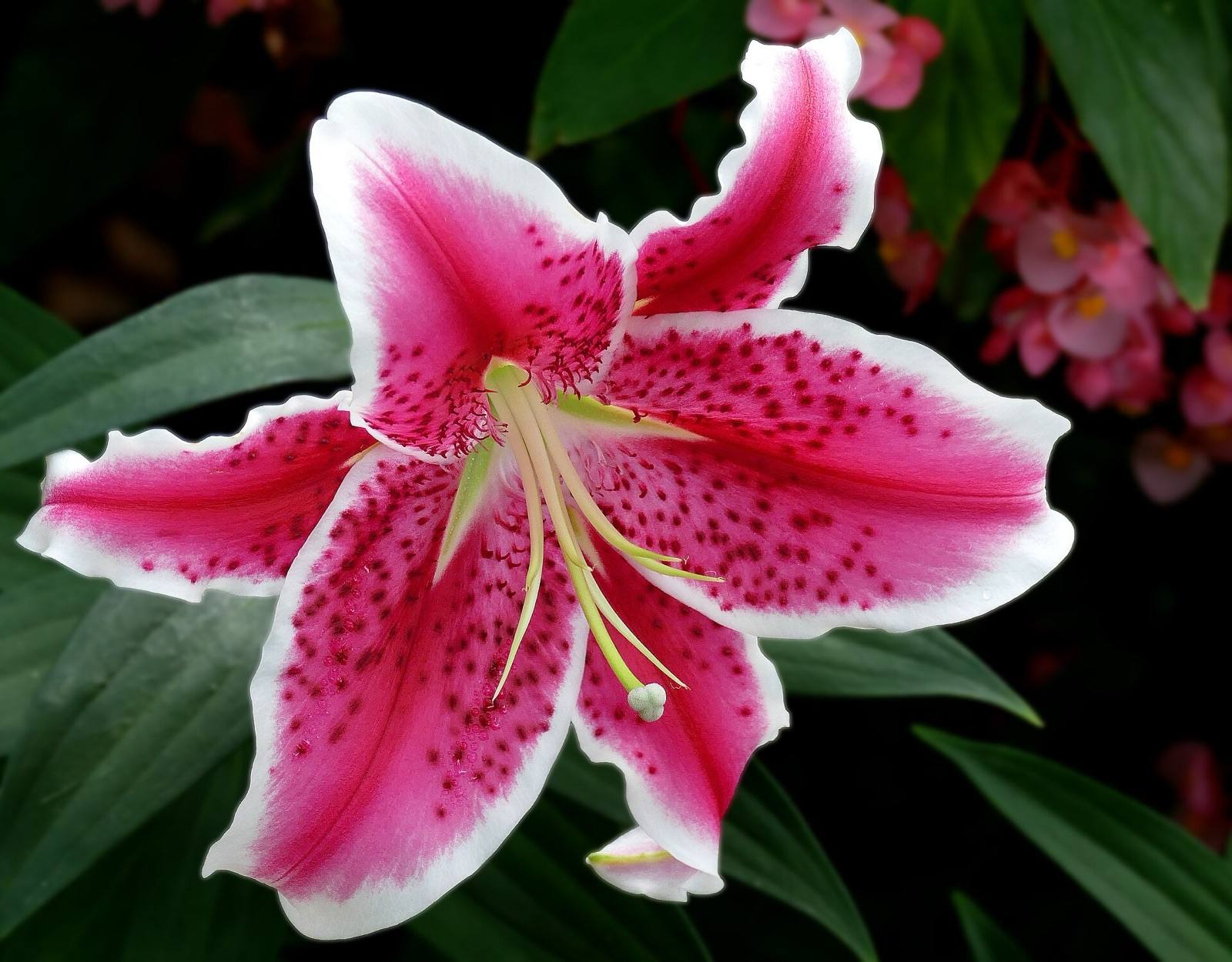
- Lilies, grown under glass all year, so supply holds up when other flowers get tight. Orientals are strongly scented and Asiatics nearly unscented.
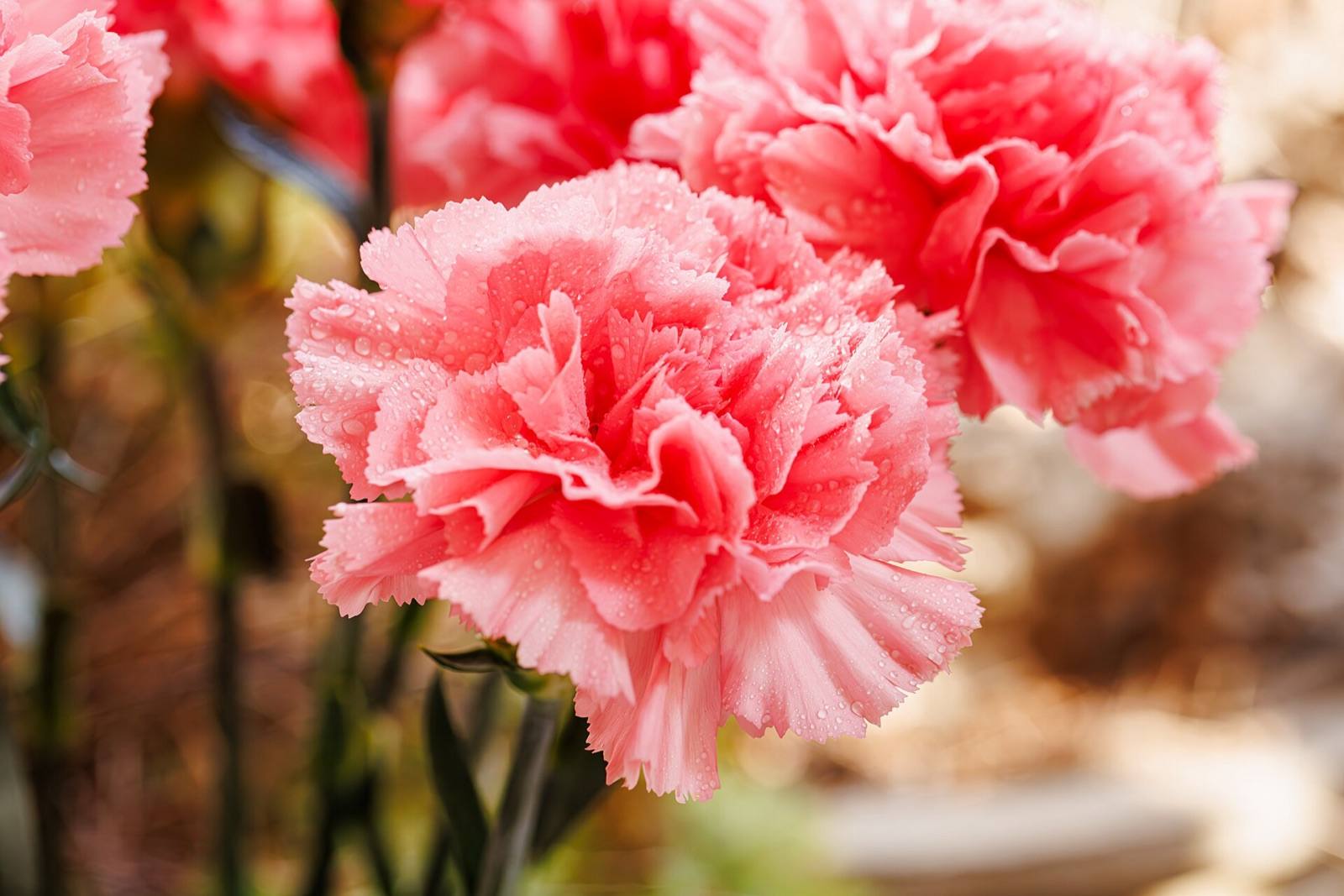
- Carnations, available all year and among the longest-lasting cut flowers. Carnations were the original Mother’s Day flower in the United States, and pink carnations are still linked to a mother’s love.
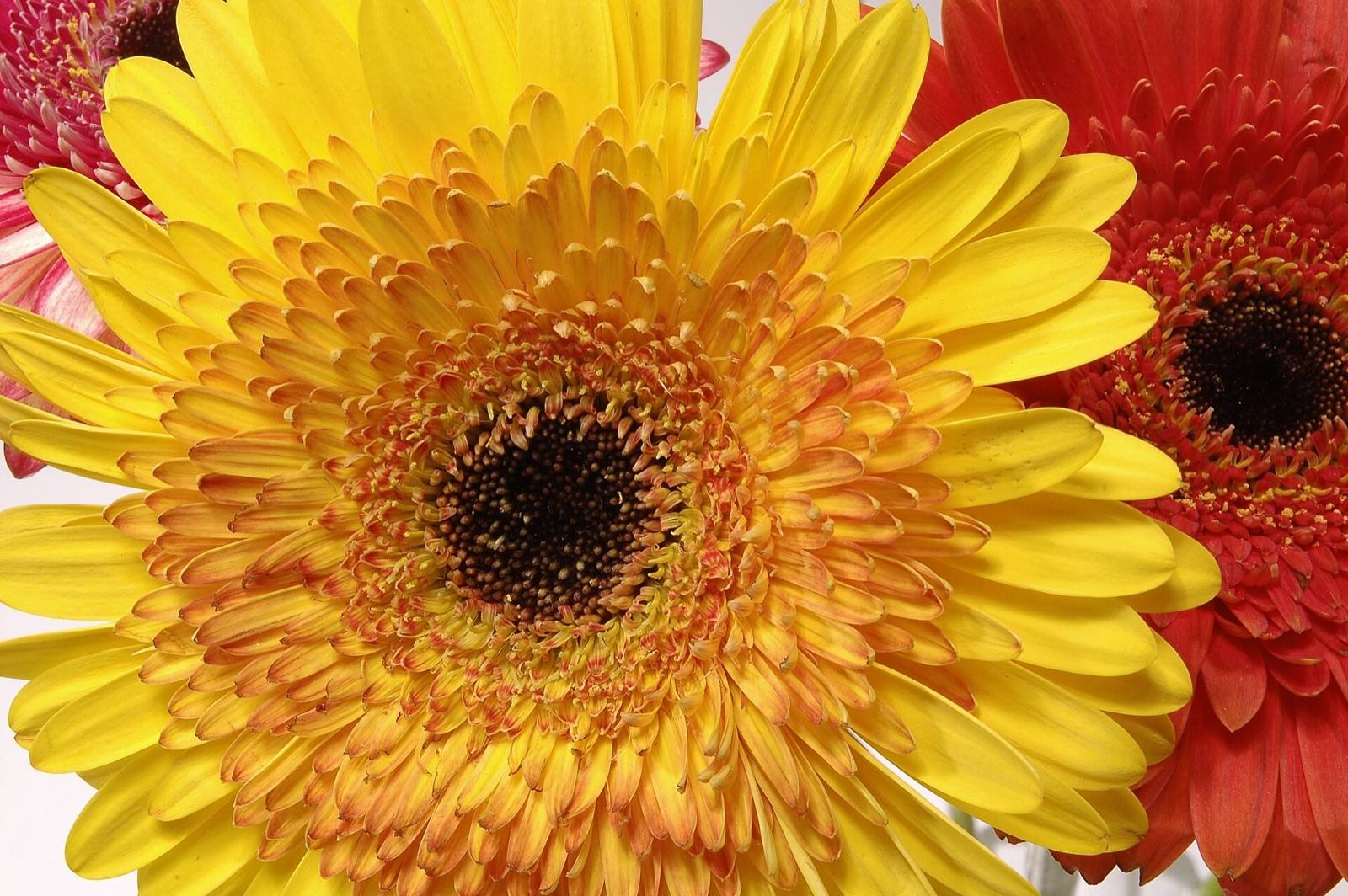
- Gerberas, glasshouse grown all year in almost every colour except true blue.
- Dahlias and lisianthus, both finishing their autumn run in May, so look for them early in the month.
- Proteas and banksias, if she prefers something with more structure.
Melbourne readers may also see the first anemones, as Victorian growers start earlier than the rest of the country. The May flower calendar has the full list.
Imported vs local: peonies and tulips
Two of the most requested Mother’s Day flowers are not in local season in May.
Peonies are cut in Australia from about late October to early December. The ones in florists around Mother’s Day are imported from the Northern Hemisphere, where May is their late spring. They are dearer per stem than local peonies in November, supply depends on air freight, and they often arrive as very tight buds. If you want them, order early and ask your florist to confirm they have stock. If not, disbud chrysanthemums, garden roses and late dahlias give a similar full, layered look and are in season.
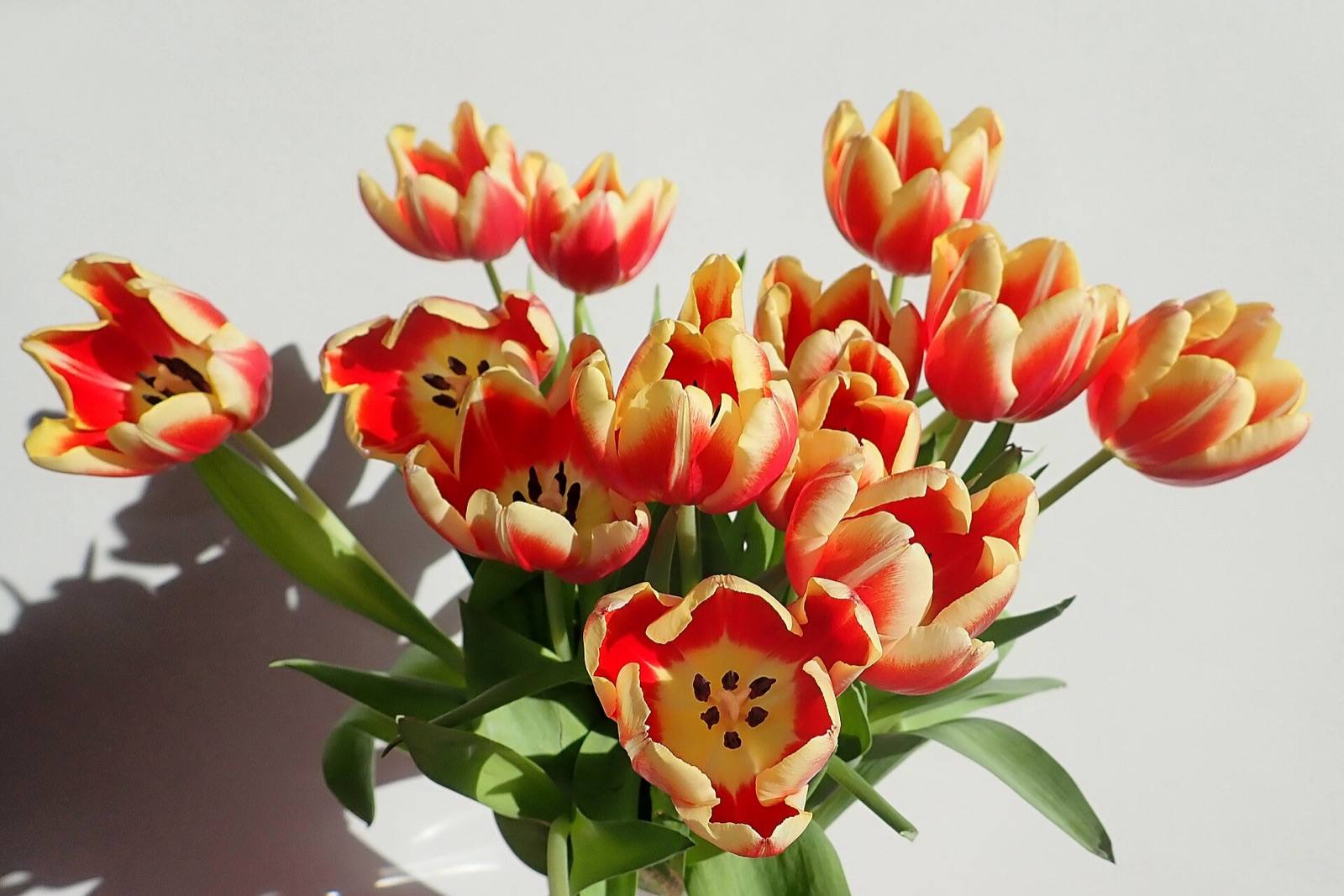
Tulips are closer. The Australian season runs from about June to October, so May sits just before it. Stems around in early May are the first glasshouse crops or imports brought in to fill the gap, so there are fewer of them and they usually cost more than in spring. Ask for them, but be flexible on colour. Field tulips from Tasmania and Victoria don’t arrive until September and October.
A simple rule for the week is that local, in-season flowers go further. They have not spent days in transit, and there are far more of them.
Ordering and delivery in the busiest week
Mother’s Day week is the busiest of the year for most florists. Shops take on extra staff and vans, and delivery runs fill up days before the Sunday. A few things make it easier:
- Order days ahead. Early in the week before is sensible, and earlier still if you want something specific.
- Check the cut-off. Every florist sets its own last day and time for Mother’s Day delivery orders, and many close orders once their runs are full. Ask your florist rather than assuming.
- Know the delivery day. Not every florist delivers on the Sunday itself. Ask which day yours delivers and whether someone needs to be home.
- Be flexible on stems. Asking for a colour palette or a style, rather than an exact flower list, lets the florist use what came in freshest that week.
- Leave a note on care. A line asking her to recut the stems and top up the water adds days to the bunch.
If you leave it to the Saturday, walk in early and take what looks freshest. Chrysanthemums are the safest bet that late.
Buying at the market
If you would rather choose the flowers yourself, the Sydney Flower Market at Flemington is open to the public Monday to Friday from 6am to 9am and on Saturday from 5am to 9am. It is closed on Sunday, so the Saturday is your last chance before Mother’s Day. Arrive close to opening, bring cash and a bucket or two, and plan to buy whole bunches. Some stalls keep their own hours, so check before a special trip.
Other capitals have wholesale markets with their own public hours. See the flower markets list for your city.
Keeping them fresh
Autumn is kind to cut flowers. The days are cooler than summer, so many bunches will go past a week with basic care. Recut the stems, strip any leaves that would sit below the waterline, use flower food and change the water every few days. Keep the vase away from heaters, which many homes switch on in May, and away from the fruit bowl, as ripening fruit shortens the life of carnations and orchids.
A few flower-specific points help. Pull the orange anthers off lilies as each flower opens, and keep lilies out of any house with a cat, as all parts are toxic to cats. Stand gerberas in about 10cm of water, not a full vase. Give tulips cold water and turn the vase daily, as they bend towards the light. The full routine is in our guide to keeping flowers fresh.
Support a local florist
The flowers in a Mother’s Day bunch are only as good as the person who chose and arranged them. A local florist knows what came in fresh that morning and can tell you whether the imported peonies are worth it this year. Ordering direct also means the shop that makes the bunch gets the whole order. Browse our florists to find one near you.
Flowers in this guide