Guide
Valentine's Day flowers in Australia: roses and what else is in season
Updated 1 October 2026
Valentine’s Day in Australia falls in the middle of summer, on 14 February. That matters more than most people realise. The flower almost everyone asks for, the red rose, is at its dearest that week, while a whole run of summer flowers is in season and good value. This guide explains why roses cost more, where they come from, how and when to order, which February flowers make a good alternative, what the colours mean, and how to keep a bunch alive in the heat.
Why roses cost more in Valentine’s week
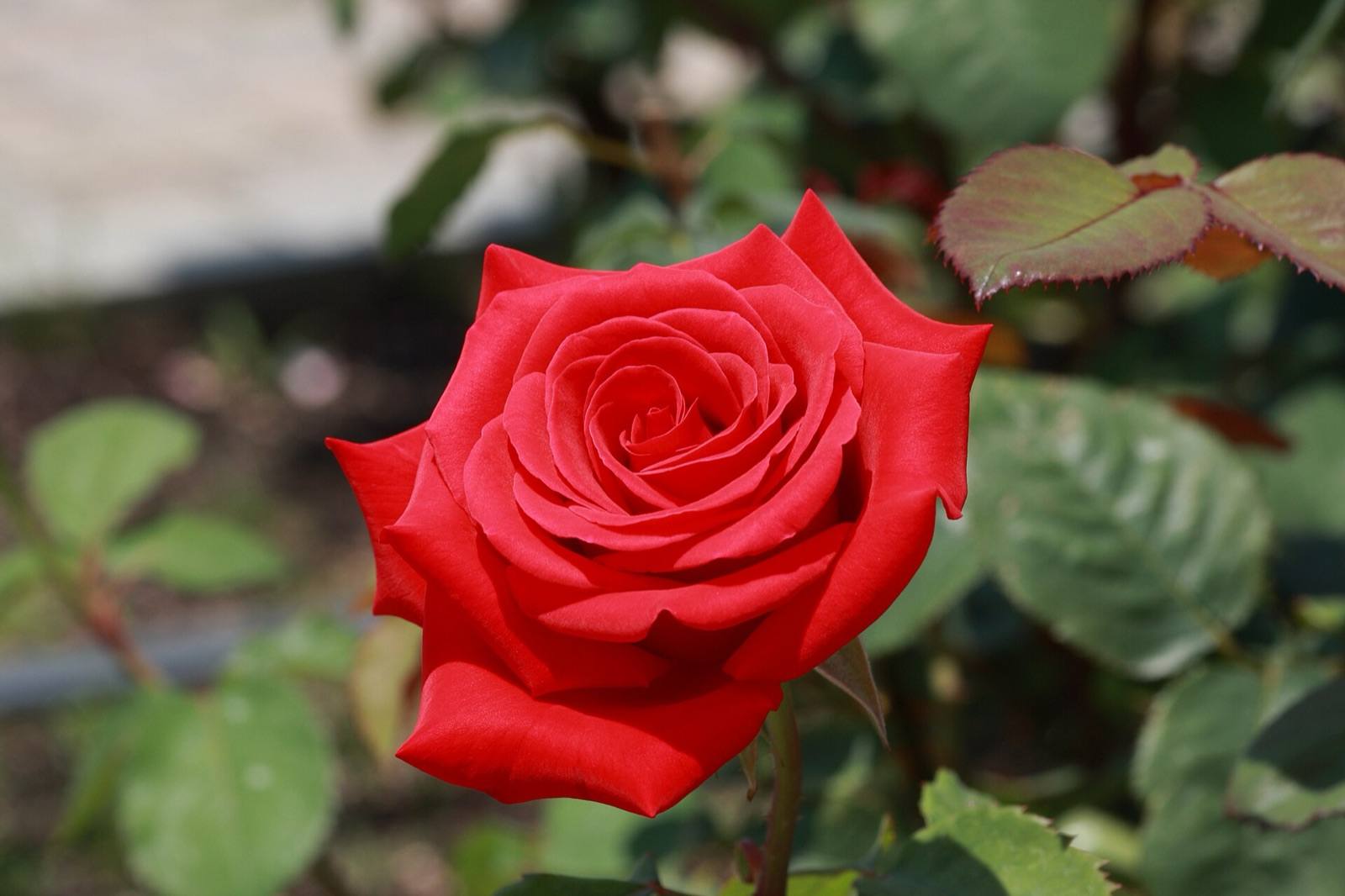
Roses are grown and sold here every month of the year, so the problem isn’t the season. It’s that demand for one flower, mostly in one colour, lands in a single week.
Growers can’t make roses bloom on command. Local farms time their plants for Valentine’s Day, pruning after Christmas so the flush of flowers lands in mid-February, according to an ABC report on Queensland growers. Even so, there are only so many stems a farm can cut in a week. The rest of the shortfall is made up with imports, which are flown in and depend on air freight. In years when freight has been tight, as it was during the pandemic, imported roses cost florists noticeably more.
Florists also take on extra staff, extra vans and long hours for the week. All of that shows up in the price. It eases within days of the 14th, which is why some people celebrate a few days later on purpose.
Local or imported roses
A large share of roses sold in Australia are imported, mainly from Kenya, Colombia and Ecuador. ABC reporting has put February imports in the millions of stems, most of them from Kenya. Imported roses are grown at scale, often at high altitude near the equator, and are usually long-stemmed and uniform.
Local roses come from a much smaller group of growers than they used to. The ABC has reported that on the Atherton Tablelands in Queensland, the number of growers supplying cut roses fell from eleven to one over twenty years. The local stems that are left travel less, reach the shop sooner and usually have more scent. Field-grown garden roses, including David Austin types, are also in season in February, though they cost more than imported standards.
You often can’t tell by looking. Ask your florist where their roses come from. A florist who buys local will be happy to say so.
How and when to order
Order a week or more ahead
Most florists have a limit on how many deliveries they can do on the 14th, and once the runs are full they stop taking orders. A week ahead is a sensible minimum. Order earlier if you want a particular colour, a large bunch or a specific time.
Check the day
In 2027, Valentine’s Day falls on a Sunday. Not every florist delivers on a Sunday, so check before you order. Sending flowers on Friday the 12th to someone’s work is often easier, and they get two extra days with them.
Ask what’s in season
Tell your florist what you want to spend and ask what’s good this week. A florist working with February stock can give you more flower for the money than one chasing a dozen long-stemmed reds.
Think about fewer roses
A few red roses mixed with in-season flowers, such as lisianthus or tuberose, looks generous and costs less than a full dozen. It also lasts longer if the other flowers are bought in bud.
In-season alternatives in February
Everything below is in season in February or grown locally all year, so none of it has the Valentine’s price jump. The full list is on the February calendar.
Lisianthus
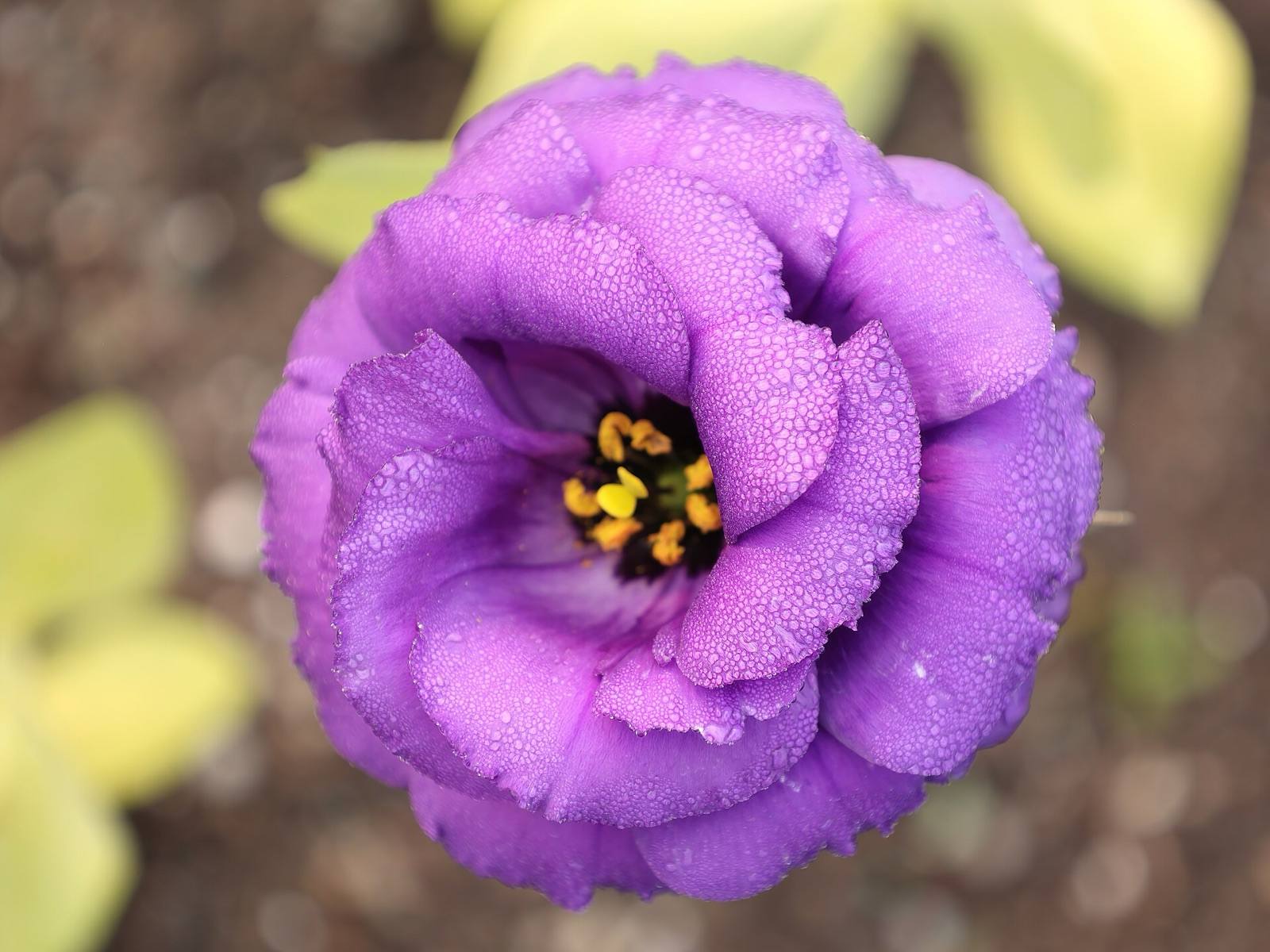
Lisianthus is the closest thing to a rose that isn’t one. The ruffled, layered flowers read as a soft rose from across the room, and February is the middle of its season. It comes in white, cream, pinks, apricot, green and purple, and each stem carries several flowers and buds, so a bunch keeps opening for a week or more.
Tuberose
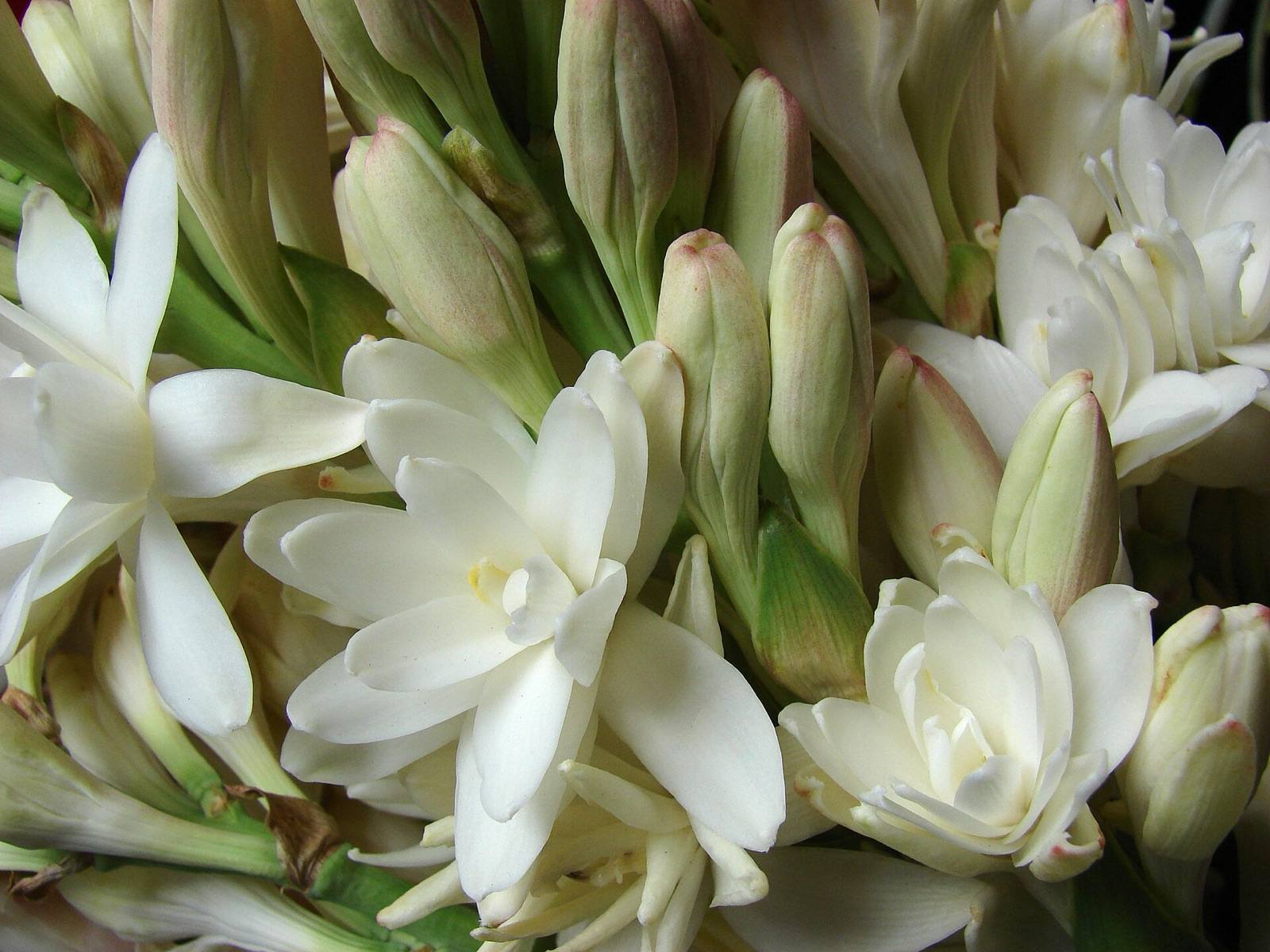
Tuberose is for someone who cares more about scent than colour. It is at market from about January to April, and its tall spikes of white flowers have a heavy, sweet perfume. Two or three stems added to another bunch is plenty.
Lilies
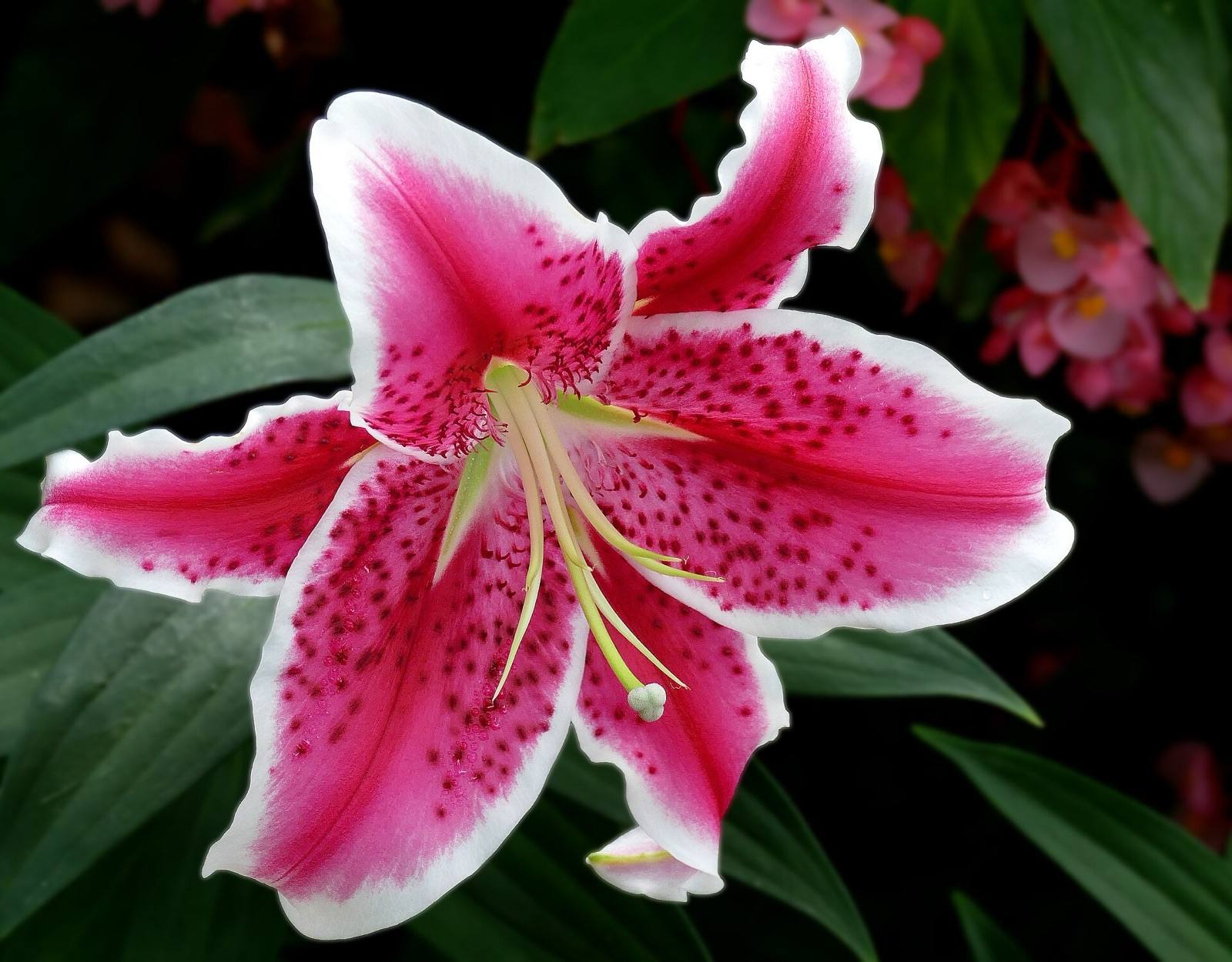
Lilies are grown in glasshouses all year, so February prices hold steady. Oriental lilies are big and scented, and a bunch bought in bud keeps opening for up to two weeks. Don’t give them to anyone with a cat, because every part of the plant is toxic to cats.
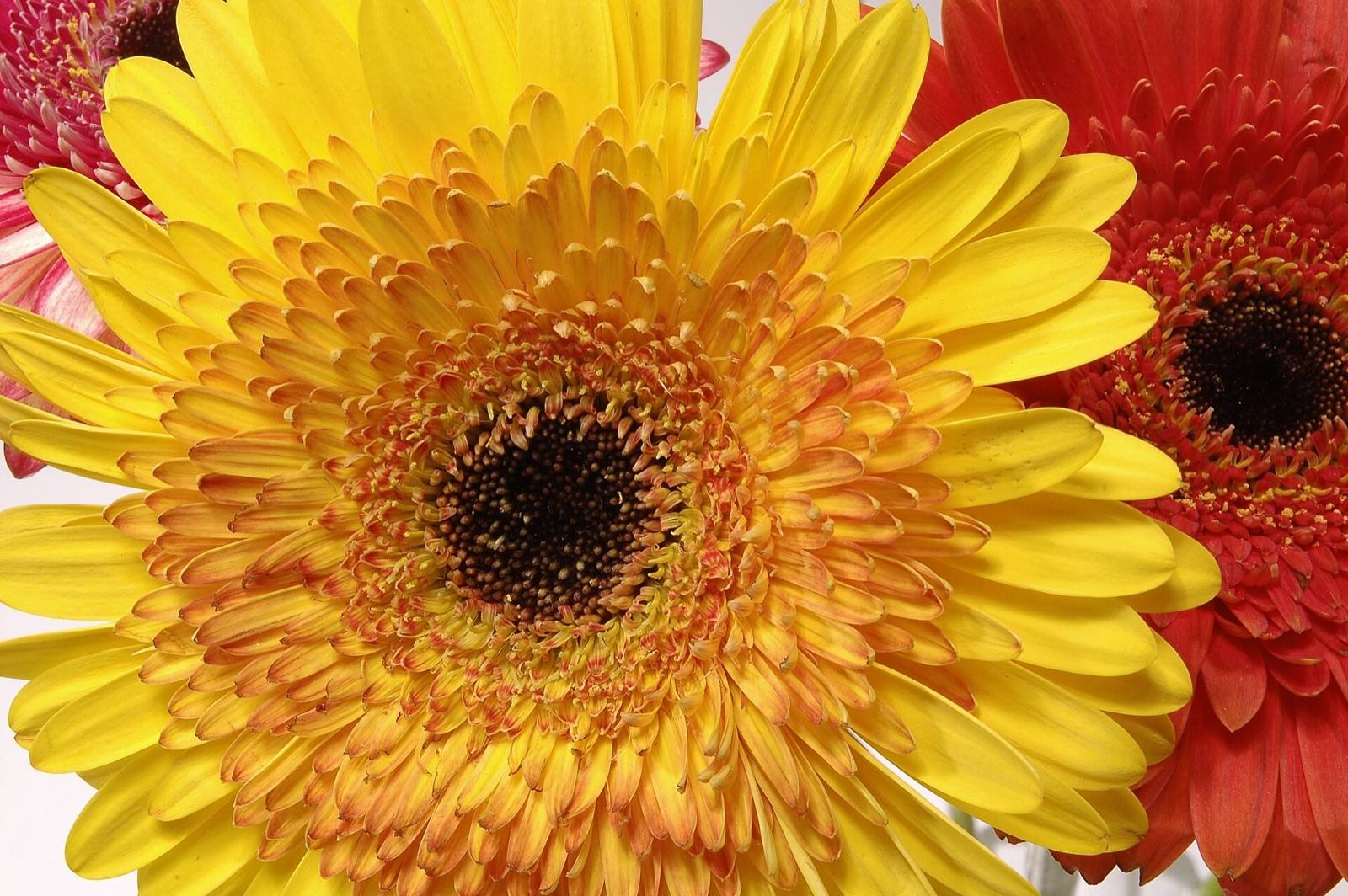
Gerberas
Gerberas are grown in Australian glasshouses all year and come in bright reds and hot pinks. They suit a new relationship, a friend or a thank you better than a formal dozen roses.
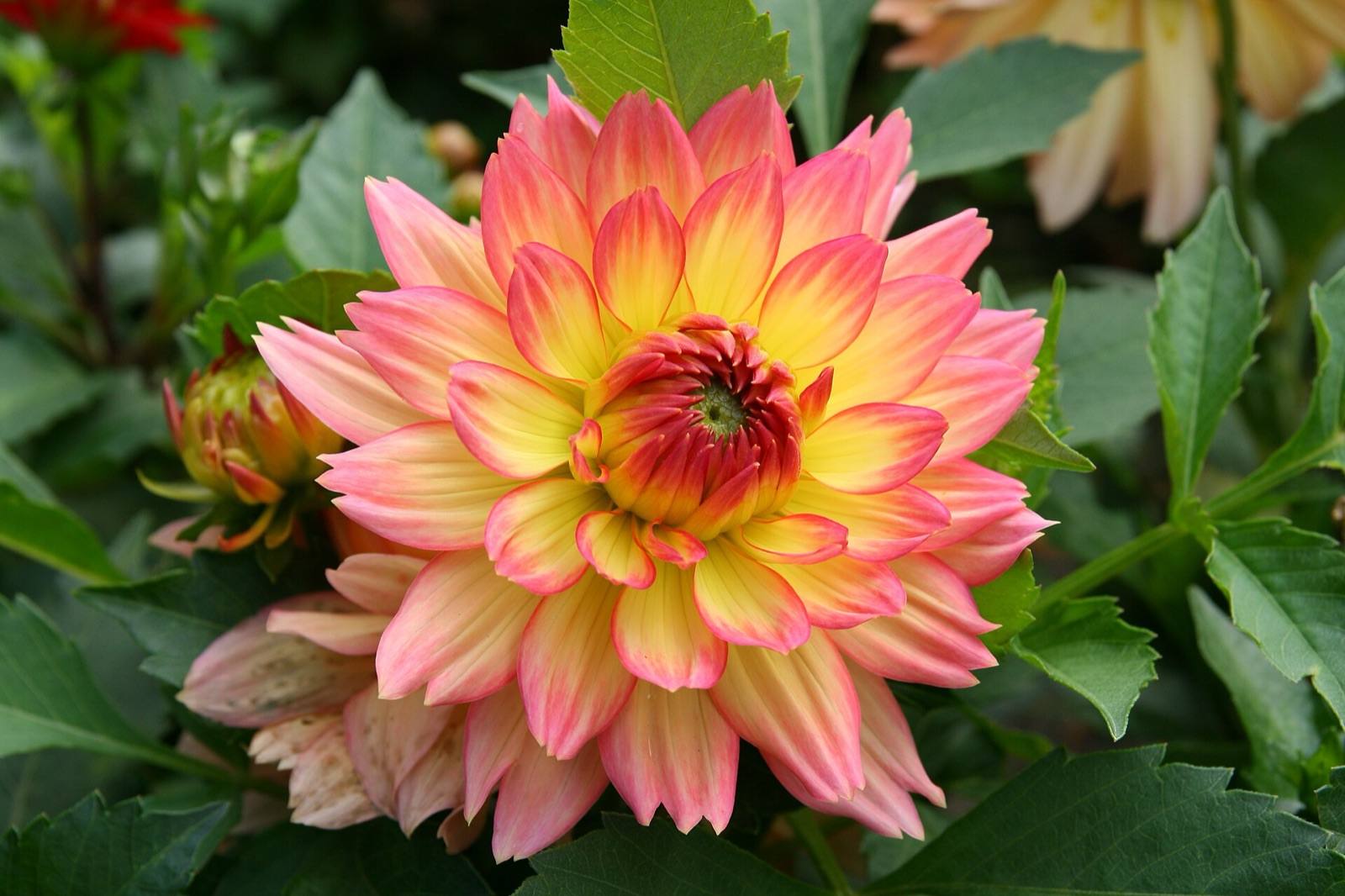
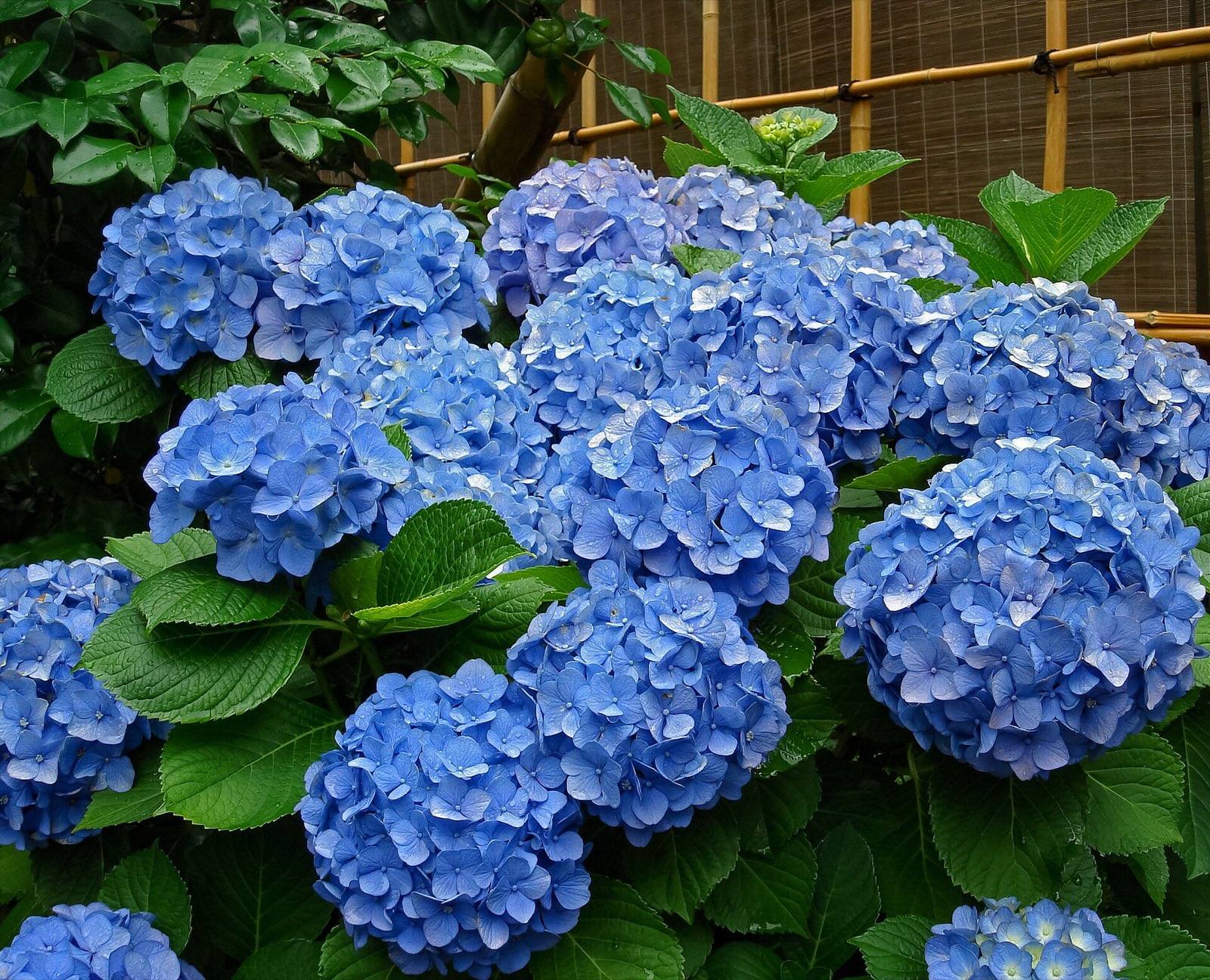
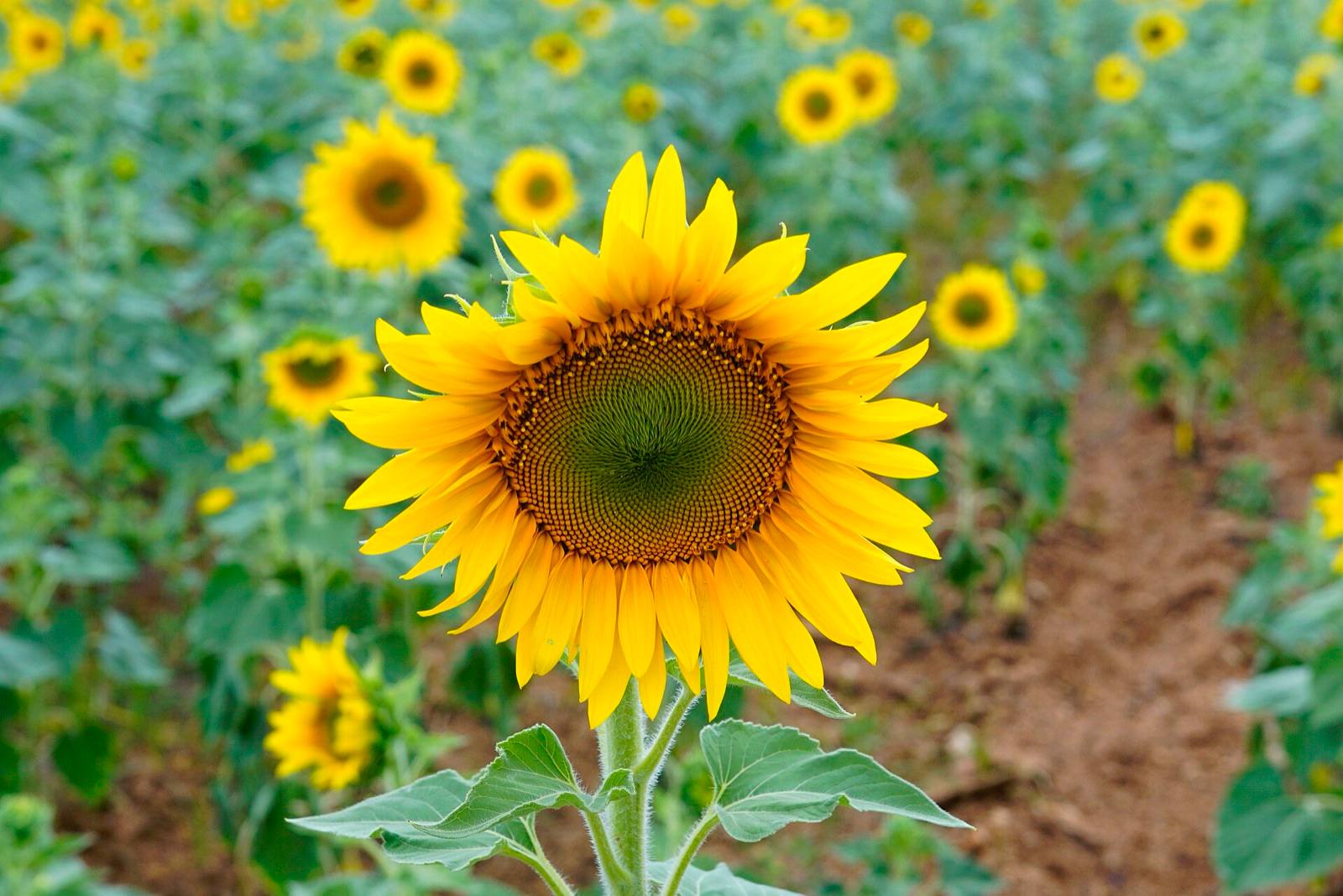
Dahlias, hydrangeas and sunflowers
February is when dahlias move towards their fullest supply, and a bunch of deep red or blush dahlias is as romantic as any rose. Hydrangeas give a lot of flower in one stem, and sunflowers are a cheerful choice for someone who would rather skip the red altogether.
What the colours mean
The idea that each flower carries a message comes from the Victorian language of flowers, and most of today’s rose meanings trace back to the books of that era. Kate Greenaway’s Language of Flowers, published in 1884, is one of the best known. It lists a rose simply as love. A white rose says “I am worthy of you”, a red rosebud means pure and lovely, and red and white roses together mean unity. Her yellow rose is less kind, meaning a decrease of love or jealousy.
Modern florists read the colours more loosely.
- Red is romantic love, and the standard Valentine’s choice.
- Pink is admiration, gratitude or a gentler kind of affection.
- White is often read as purity or a new beginning, and is popular for weddings.
- Yellow now usually means friendship rather than jealousy, which makes it a safe choice for a friend.
None of this is a rule. Most people will just see a bunch of flowers, so pick the colour you think they’ll like.
Keeping them fresh in February heat
Valentine’s flowers have to survive the middle of summer, and heat is what shortens their life most. A few things help.
- Get them into water quickly. Recut the stems, strip any leaves below the waterline and stand them in a clean vase of cool water with flower food.
- Change the water daily in hot weather rather than topping it up. Warm water breeds bacteria that block the stems.
- Keep them out of the car and the sun. A parked car in February will cook a bunch in the time it takes to run an errand. Keep the vase out of direct sun and away from air-con vents.
- Fix a drooping rose. A rose that bends at the neck usually has an air bubble in the stem. Recut the stem under water and stand it in deep, cool water for an hour or two.
- Move them to the coolest room overnight.
For deliveries, ask for a morning slot and make sure someone is home, or have them sent to work. The full routine is in how to keep flowers fresh.
Flowers in this guide