Guide
Flowers and pets: what to check before bringing a bunch home
Updated 18 October 2026
A beautiful bunch needs a little extra thought in a home with pets. Tell your florist which animals live there, ask for the names of every flower and foliage stem, and check those names before ordering. This guide is a starting point for that conversation, not a certification that a bouquet is safe.
Keep true lilies and daylilies away from cats
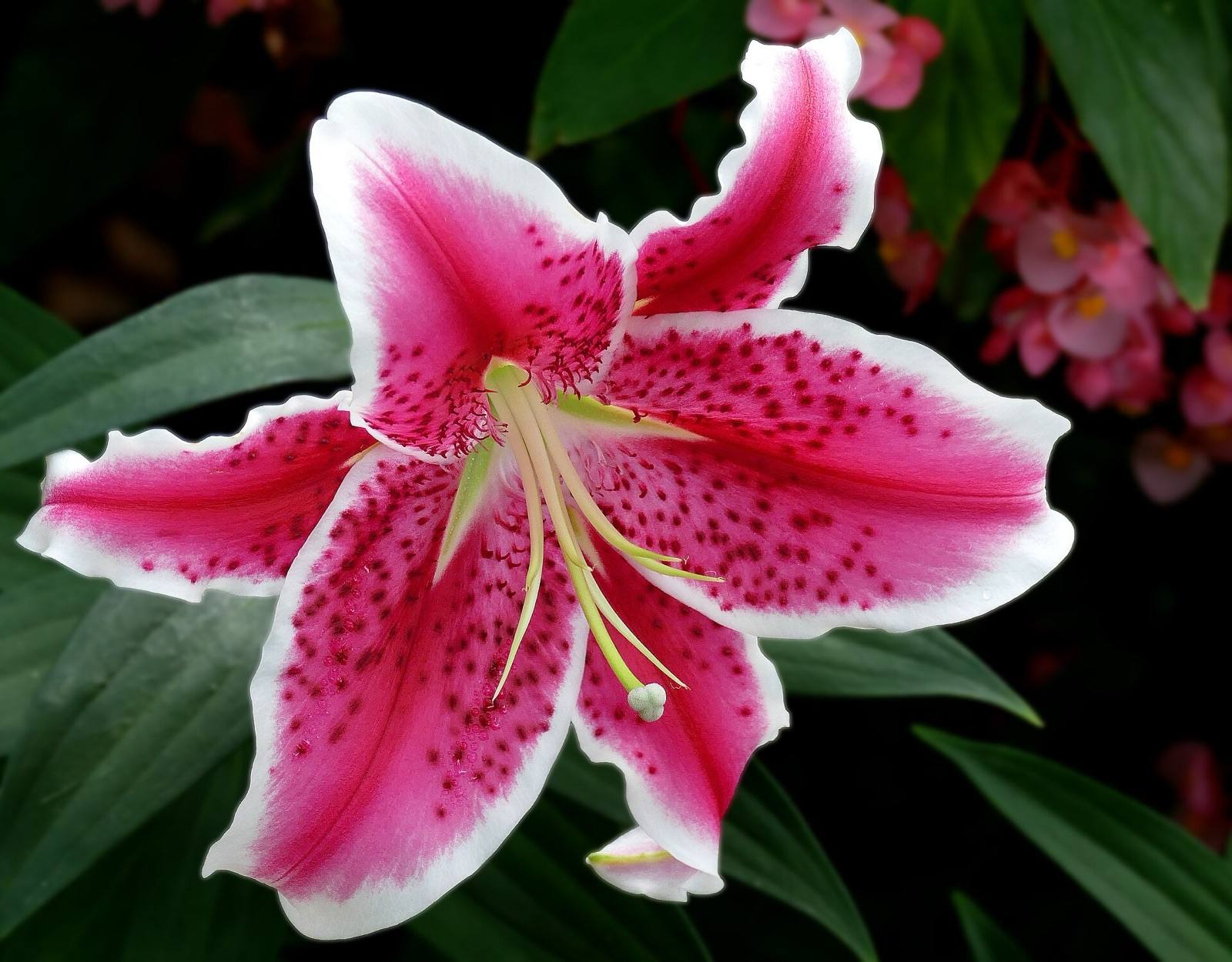
The US Food and Drug Administration identifies true lilies (Lilium) and daylilies (Hemerocallis) as highly dangerous to cats. The hazard includes petals, leaves, stems, pollen and even water from a vase. A small exposure can cause kidney failure. Do not rely on placing the vase on a high shelf.
If you suspect your cat has chewed a lily, contacted its pollen or drunk its vase water, contact a veterinarian immediately. Do not wait for symptoms. Take a photograph or the plant’s label to help identification. Lily-of-the-valley is a different plant, but the FDA also warns that it can cause serious heart problems in cats and dogs.
Source: FDA: Lovely Lilies and Curious Cats: A Dangerous Combination.
Check the botanical name, including foliage
Common flower names can refer to different plants. Use the botanical name to check the ASPCA’s toxic and non-toxic plants database, selecting the relevant animal. It covers cats, dogs and horses. Its guidance also explains that eating plant material can cause vomiting or other stomach upset even when a plant is listed as non-toxic.
A missing entry does not establish safety. If the plant cannot be identified, ask your veterinarian before bringing it home. Do not treat a mixed bouquet as checked simply because its main flower has been identified: the foliage and small filler flowers need checking too.
A practical brief for your florist
Use the flower finder to shortlist colours and seasonal options. Add the pet information when you speak to your florist, rather than assuming the shortlist has been screened for toxicity.
You can say: “We have a cat at home. Please leave out true lilies and daylilies, give me the botanical names of all flowers and greenery, and check with me before making substitutions.” If the bouquet is a gift, ask the recipient about pets first.
Ask for the same information about any replacement stems. A florist may need to substitute flowers after an order is placed, particularly when weather changes local availability. Keep your request with the order so it applies to the final arrangement.
Before the bouquet arrives
Have your usual vet’s number and the nearest emergency veterinary clinic’s details available. Keep the flower names or order description with the bouquet information. If a pet gets into the arrangement, that information can help the vet assess what happened.
Avoid leaving fallen petals, packaging, ties or vase water where pets can reach them. These housekeeping steps do not make a toxic plant safe. When identification or suitability is uncertain, choose a different gift until you have an answer.
Editorial sources checked 18 October 2026. This article has not been reviewed by a veterinarian. Suggest a correction.
Flowers in this guide